
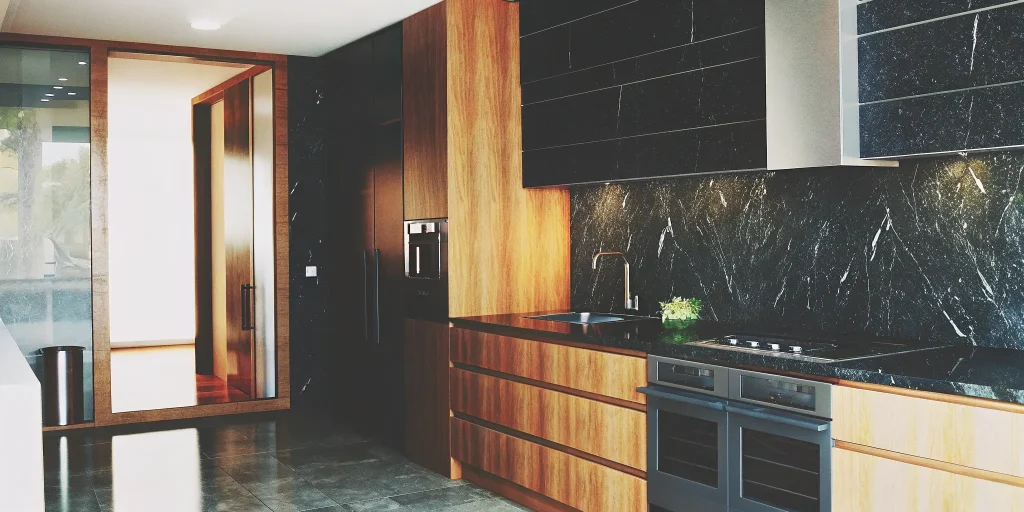
The decisions you make for your kitchen are some of the most permanent ones in your new home. Unlike a paint color you can easily change, your countertops, cabinets, and flooring are here to stay. It’s easy to get swept up in a fleeting trend or choose a material that looks beautiful but doesn’t stand up to your daily routine. Avoiding common pitfalls is the key to creating a kitchen you’ll love for the long haul. We’ll show you how to choose kitchen finishes for a new build with confidence, helping you sidestep mistakes and make smart, lasting investments in your home’s most important room.
Key Takeaways
- Start with a Clear Vision, Not Just Samples: Before looking at materials, define your personal style, how you’ll use the kitchen, and your budget. This vision will be your guide, helping you make confident and cohesive choices that reflect your life.
- Make Decisions in a Logical Order: Simplify the process by tackling the biggest items first. Choose your countertops to set the tone, then select cabinets and flooring to complement them. Save smaller details like hardware and backsplash for last.
- Invest in Longevity for Key Features: Spend your budget on high-quality, timeless finishes for permanent items like countertops and cabinets. You can express your personality and embrace trends with less expensive elements like paint, lighting, and hardware that are easier to change later.
What Are Kitchen Finishes?
When you’re building a new home, one of the most exciting parts is choosing the kitchen finishes. This is where your personal style truly comes to life. Think of finishes as the final layer of design that makes your kitchen uniquely yours: they are the materials you see and touch every day. From the countertops where you’ll prep meals to the hardware you’ll grab to open a drawer, these selections work together to create a functional and beautiful space. Making these decisions can feel a bit overwhelming, but understanding what they are and why they matter is the first step toward designing a kitchen you’ll love for years to come.
Defining Kitchen Finishes
So, what exactly are we talking about when we say “finishes”? In the world of home design, finishes refer to the surface materials and fixtures that complete a room. For your kitchen, this includes a wide range of elements that contribute to its overall look and feel. The main components are your countertops, cabinet style and color, backsplash, flooring, and hardware like knobs and pulls. It also extends to your sink, faucet, and lighting fixtures. Each of these choices plays a role in the final design, and you can see how these elements come together in our photo galleries to create a cohesive aesthetic.
Why Your Finish Choices Matter
These choices are more than just decorative; they set the tone for your entire home and have a big impact on your daily life. The order in which you select your finishes is also important, as early decisions often guide later ones. For example, the countertop you fall in love with will influence your cabinet and backsplash choices. Using too many different materials or colors can make a kitchen feel chaotic, while a well-planned palette creates a calm and intentional space. Thoughtful selections ensure your kitchen is not only beautiful but also timeless, functional, and a true reflection of you. We help you make these key decisions as part of our process to ensure a smooth and enjoyable experience.
What Should You Consider When Selecting Kitchen Finishes?
Choosing the finishes for your new kitchen is one of the most exciting parts of the home-building journey. These are the materials that bring your space to life, from the countertops to the cabinet hardware. But with so many options, it’s easy to feel overwhelmed. The key is to approach it systematically. By thinking through your style, daily routines, budget, and long-term goals, you can make confident choices that you’ll love for years to come.
Your Design Vision and Style
Before you get lost in samples, take a moment to define your personal style. Are you drawn to modern farmhouse, sleek contemporary, or something more traditional? There are no strict rules, so feel free to gather inspiration from different places. A great first step is to browse through our photo galleries to see what catches your eye. While it’s fun to incorporate current trends, like using dark tones for contrast, your overall vision should feel authentic to you. This vision will act as your guide, ensuring every selection, from the backsplash to the flooring, works together to create a space that truly feels like home.
Your Daily Lifestyle and Needs
Think honestly about how you use your kitchen every day. Is it the central hub for family gatherings and homework sessions? Are you an avid cook who needs durable, hardworking surfaces? Or do you prefer low-maintenance materials that are easy to clean? Your lifestyle should directly inform your choices. For example, a busy family with young children might prioritize scratch-resistant countertops and flooring that can handle spills. Understanding your functional needs early in our building process helps ensure your kitchen is not only beautiful but also perfectly suited to your daily life, making every moment in it more enjoyable.
Your Budget and Overall Costs
Setting a realistic budget is a crucial step that brings clarity to the selection process. Kitchen finishes are available at a wide range of price points, and knowing your numbers helps you and your design team focus on the best options within your reach. A well-planned budget allows you to decide where to invest and where to save. You might choose to splurge on high-quality quartz countertops that will be a daily showpiece while opting for more cost-effective (yet still beautiful) hardware. Our team is here to help you understand the costs and answer any common questions about budgeting so you can get a high-end look you love.
Future Resale Value
Even if you plan to live in your new home forever, it’s wise to consider resale value. A thoughtfully designed kitchen is a major selling point. To keep your home from looking dated down the road, stick to classic, neutral choices for permanent and expensive features like countertops, flooring, and cabinetry. You can always introduce trendy colors and patterns through elements that are easier and less costly to update, such as paint, lighting, and decor. Using too many different materials can make a kitchen feel chaotic, so aiming to create a cohesive look with timeless appeal is a smart investment for the future.
How to Prioritize Your Kitchen Selections
Walking into a design center can feel overwhelming with so many choices. Where do you even begin? The key is to have a plan. Making decisions in a specific order helps you build a cohesive design layer by layer, ensuring every element works together beautifully. Think of it as creating a foundation and then adding the details. This approach simplifies the process and helps you focus on one key decision at a time, preventing that feeling of being pulled in a million different directions. By tackling the biggest visual and financial items first, you set a clear direction for the rest of your kitchen finishes.
Start with Countertops as Your Foundation
Your countertops are one of the most dominant features in the kitchen, especially if you have a large island. They set the tone for the entire space with their color, pattern, and texture. That’s why I always recommend starting here. Choose a material that is not only beautiful but also durable enough for your lifestyle. Materials like granite and quartz are fantastic starting points because they are strong, easy to clean, and come in countless styles. By selecting your countertop first, you create a focal point and a solid base from which you can pull colors and textures for the rest of your kitchen design.
Select Cabinets to Complement Your Countertops
Once your countertops are chosen, the next logical step is your cabinetry. Since cabinets are at eye level, they have a massive impact on the overall look and feel of your kitchen. The goal is to select a style and color that complements your countertop choice, not competes with it. For example, a countertop with a lot of movement and veining often pairs best with simpler, solid-colored cabinets. Keeping your primary materials simple and natural, like classic wood or a clean painted finish, helps create a timeless and uncluttered look. Our in-house design team can help you find the perfect pairing to match your vision.
Choose Flooring to Tie the Room Together
With your countertops and cabinets decided, it’s time to choose the flooring that will ground the entire space. Your floor connects everything and should complement both your cabinet and countertop selections. For a look that lasts, consider natural wood tones like pale maple or a warm white oak. These classic choices feel bright and welcoming and won’t look dated in a few years. The right flooring choice will create a seamless flow and make your kitchen feel both complete and timeless.
Add Backsplash and Hardware as Final Touches
Think of the backsplash and hardware as the jewelry of your kitchen: they are the finishing touches that complete the look. These smaller details are where you can add a pop of personality. A great rule of thumb is to create contrast. If you chose a busy, patterned countertop, a simple, calm backsplash will provide balance. Conversely, a simple countertop gives you the freedom to choose a more intricate or colorful backsplash tile. Finally, select your cabinet pulls, faucets, and light fixtures. These elements tie everything together and are an easy way to infuse your personal style into the design.
A Guide to Essential Kitchen Finish Materials
Once you have a sense of your priorities, it’s time for the fun part: exploring the materials that will bring your kitchen to life. From the countertops you’ll prep meals on to the floors that will withstand daily foot traffic, each choice plays a role in your kitchen’s look and feel. Let’s walk through the core components and what you should know about each.
Countertop Options: Quartz, Granite, and Marble
Your countertops are a major focal point and a workhorse in the kitchen, so it’s wise to start here. Durable materials like granite or engineered options like quartz are fantastic choices because they stand up beautifully to daily wear and tear. Granite offers unique, natural patterns, meaning no two slabs are exactly alike. Quartz, an engineered stone, provides a consistent look and is non-porous, making it incredibly low-maintenance. For a touch of classic elegance, you might also consider natural stones like marble. While it requires more care to prevent staining and etching, its luxurious veining is truly timeless. When you’re choosing kitchen finishes, weighing both beauty and resilience will help you land on the perfect surface for your home.
Cabinet Materials: Solid Wood vs. Engineered
Cabinets define your kitchen’s style and provide essential storage. Solid wood is a classic choice that brings warmth and character to the space, with options like oak, maple, and cherry each offering a distinct grain and color. They are durable and can be refinished down the road if you ever want a change. On the other hand, engineered materials, like MDF or particleboard with a veneer or laminate finish, can be a practical and cost-effective alternative. They offer a wider variety of consistent finishes and styles, from sleek and modern to traditional. Limiting the number of different materials in your kitchen helps create a cohesive look, so think about how your cabinet choice will pair with your countertops and flooring.
Flooring Choices: Hardwood, Tile, and Luxury Vinyl
The right flooring needs to be durable enough for a high-traffic area while tying the whole room together. Hardwood is a popular choice that creates a warm, inviting atmosphere; pale natural woods like white oak or maple can make the space feel bright and open. Tile is another classic, offering incredible durability and endless design possibilities. For a practical and resilient alternative, consider luxury vinyl plank (LVP). It mimics the look of real wood or stone but is waterproof and scratch-resistant, making it a great option for busy families with kids or pets. When planning your new build, think about which flooring material best suits your lifestyle and design vision.
Backsplash Materials and Design Ideas
The backsplash is your kitchen’s chance to show a little personality, but it’s also a place where simplicity shines. It protects your walls from splashes and splatters while adding a key design element. Opting for a classic material like subway tile in a timeless color like white or cream is a smart move. This creates a neutral backdrop that won’t go out of style, allowing you to easily update your kitchen’s look over the years with new decor, paint, or accessories. A simple, clean backsplash serves as a versatile canvas, ensuring your kitchen feels fresh and relevant for years to come without locking you into a trend that might feel dated later on.
How to Create a Cohesive Kitchen Design
Creating a cohesive kitchen design doesn’t mean every single element has to match. Instead, it’s about making sure all your finishes, from the countertops to the cabinet pulls, work together in harmony. A well-designed kitchen feels balanced, intentional, and uniquely you. Think of it as telling a story with your material choices. By focusing on a consistent palette, a mix of textures, smart use of contrast, and coordinated details, you can create a space that is both beautiful and functional for years to come. Our in-house design team is here to guide you through every selection, ensuring your vision comes to life perfectly.
Develop a Consistent Color Palette
Your color palette is the foundation of your kitchen’s design. A great starting point is to choose a neutral color for your most permanent and expensive features, like cabinets and countertops. Timeless choices like white, cream, gray, or warm wood tones give you the flexibility to change your wall paint or decor down the road without needing a major renovation. Once you have your core neutrals, you can introduce one or two accent colors through your backsplash, island, or accessories. This approach ensures your kitchen remains stylish and adaptable. If you’re feeling stuck, browsing our photo galleries can provide plenty of inspiration for color combinations that work beautifully together.
Balance Different Textures and Materials
Texture is what brings a kitchen to life, adding depth and preventing the design from feeling flat. Don’t be afraid to mix materials to create a more interesting and layered look. You can pair the smooth, polished surface of a quartz countertop with the rustic warmth of a wooden open shelf, or contrast sleek, modern cabinets with a handmade tile backsplash that has subtle imperfections. Think about combining different sheens, too, like matte-finish cabinets with a glossy backsplash or polished chrome fixtures against a honed granite island. The key is to create a balance that feels both visually appealing and pleasant to the touch.
Use Contrast for Visual Interest
Contrast is a powerful tool for creating focal points and adding a bit of drama to your kitchen. This can be as simple as pairing dark lower cabinets with light upper cabinets to make the room feel more open and airy. Another classic strategy is to use your countertops and backsplash to create contrast. As design experts at Houzz suggest, if you choose a countertop with a busy, dramatic pattern, opt for a simple, calm backsplash to let the stone be the star. Conversely, a simple countertop allows you to get more creative with a patterned or colorful backsplash tile.
Coordinate Your Hardware and Fixtures
Think of your cabinet hardware, faucet, and light fixtures as the jewelry of your kitchen: they are the finishing touches that tie the entire look together. While matching every single metal finish is no longer a strict rule, it’s important to be intentional. A good approach is to choose one dominant metal for most fixtures, like brushed nickel or matte black, and then add a second metal as an accent. For example, you could use matte black for your cabinet pulls and faucet, then introduce warm brass in your pendant lights over the island. Also, consider the style of the hardware itself; sleek, simple pulls create a modern feel, while detailed knobs can lend a more traditional or transitional look.
Which Kitchen Finishes Are Best for Daily Life?
Your kitchen is more than just a place to cook: it’s the command center of your home. It’s where you gather for morning coffee, help with homework, and host friends and family. Because it’s such a high-traffic area, your kitchen finishes need to be more than just beautiful; they have to stand up to the demands of daily life. The best choices are the ones that make your routine easier, not harder. When you’re selecting finishes, think about how you live. Are you an avid cook? Do you have young children or pets? Answering these questions will help you find the perfect balance between stunning design and everyday practicality.
Durability and Maintenance Needs
The most practical finishes are those that can handle daily wear and tear without constant upkeep. Think about materials that are scratch-resistant, stain-proof, and easy to repair. For hard finishes like countertops and backsplashes, choosing simple, classic options in neutral colors gives you incredible long-term flexibility. You can change your wall paint or decor over the years without needing a major renovation. A timeless white or neutral palette not only looks clean and high-end but also ensures your kitchen won’t feel dated in a few years. You can see examples of this lasting style in our photo galleries of completed homes.
Safety in a Busy Kitchen
A well-designed kitchen is a safe kitchen. Your finish choices play a surprisingly large role in creating a secure environment for your family. For flooring, consider materials with a bit of texture to prevent slips, especially in a space where spills are common. When selecting countertops, you might opt for rounded edges instead of sharp corners to prevent bumps and bruises, a small detail that makes a big difference with little ones running around. A functional layout is the foundation of kitchen safety, and our team helps you plan every detail during our process to ensure your space is efficient and easy to use.
Easy-to-Clean Surfaces
Let’s be honest: no one wants to spend hours scrubbing their kitchen. Choosing easy-to-clean surfaces is one of the best gifts you can give your future self. Non-porous countertops like quartz are fantastic because they resist stains from coffee, wine, and oil, and they wipe clean with just soap and water. For your backsplash, using large slabs of stone or tile minimizes grout lines, which are often the toughest part to keep clean. The same principle applies to cabinets. A smooth, high-quality paint or laminate finish is much easier to wipe down than intricate designs with lots of nooks and crannies for dust to settle.
Heat and Moisture Resistance
Your kitchen is constantly exposed to heat, steam, and moisture, so your finishes need to be tough enough to handle it. Countertop materials should be heat-resistant to withstand proximity to hot pots and pans (though we always recommend using a trivet!). For the backsplash behind your stove, choose a non-porous material like ceramic, porcelain, or glass tile that can handle splatters and be wiped clean easily. Your flooring should also be water-resistant to prevent warping or damage from spills or plumbing leaks. Our interior design services help you select materials that are not only beautiful but also built to last in a hardworking kitchen environment.
How Can You Visualize Your Finishes Before Deciding?
It’s one thing to fall in love with a quartz sample at a showroom and another to picture it spanning across your future kitchen island. Trying to imagine how all your chosen finishes, from countertops to cabinet hardware, will look together can feel like a guessing game. But it doesn’t have to be. Taking the time to visualize your selections is one of the most important steps to ensure you’ll love the final result.
Fortunately, there are practical ways to “test drive” your kitchen design before anything is installed. By using a combination of modern technology, real-world samples, and expert guidance, you can move forward with confidence, knowing every choice contributes to a cohesive and beautiful space. This process helps you see the bigger picture, turning abstract ideas into a clear vision for your home. You can see how we bring these visions to life in our photo galleries of completed homes.
Use Digital Design Tools
One of the best ways to see your ideas come to life is through digital design tools. Using specialized software, we can create 3D renderings of your kitchen that incorporate your specific layout and finish selections. This isn’t just a generic mock-up; it’s a virtual preview of your kitchen. You can see exactly how the cabinet height interacts with your ceiling, how different countertop colors change the room’s mood, and how the overall layout feels before construction even begins. This digital step allows you to make adjustments with a click of a button, saving you from costly changes down the road and ensuring the final space is exactly what you envisioned.
Test Samples in Different Lighting
While digital tools are fantastic, nothing beats seeing the real materials in your actual space. Once you’ve narrowed down your choices, be sure to get physical samples of your top contenders for countertops, cabinets, flooring, and backsplash. Take them to your home or the build site and look at them at different times of the day. The warm morning sun will make colors appear differently than the cool artificial light of your kitchen in the evening. What looks like the perfect shade of gray under showroom lights might take on an unwanted blue or green hue in your home’s natural light. This simple step is crucial for avoiding surprises and making a choice you’ll be happy with for years.
Work with Your Builder’s Design Team
You don’t have to make these decisions alone. Leaning on the experience of your builder’s design team is one of the most valuable resources you have. Our in-house experts have helped hundreds of families create their dream kitchens and can offer guidance on which materials pair well together, what combinations create a timeless look, and how to achieve your desired style within your budget. A designer also ensures your kitchen is as functional as it is beautiful. A well-planned layout can dramatically improve the flow and enjoyment of your space, making everything from cooking daily meals to entertaining guests feel effortless. We’re here to help you refine your vision and handle the details so you can focus on the excitement of your new home.
What Mistakes Should You Avoid When Choosing Finishes?
Selecting the finishes for your new kitchen is one of the most exciting parts of the home-building journey. It’s where your personal style truly comes to life. But with so many options, it’s easy to feel overwhelmed and make choices you might later regret. The key is to think about both beauty and function for the long haul. A little foresight can help you create a space that feels just right for years to come.
By being aware of a few common pitfalls, you can make confident decisions that stand the test of time. Our goal is to guide you through a smooth and enjoyable design process, ensuring your finished kitchen is a space you absolutely love. Let’s walk through some mistakes to sidestep so you can get your selections just right.
Choosing Trendy Designs for Permanent Features
It’s so easy to fall in love with a bold, trendy tile or a unique countertop color you’ve seen all over social media. While these can be beautiful, they often have a short lifespan in the world of design. Applying a fleeting trend to a permanent, expensive feature like flooring or a backsplash can make your kitchen feel dated in just a few years. Instead, I always recommend choosing timeless materials and neutral colors for these foundational elements. You can get inspired by browsing through galleries of classic kitchen designs to see what has lasting appeal. Save the trends for things that are easy and inexpensive to swap out, like cabinet hardware, light fixtures, or paint colors.
Forgetting About Long-Term Maintenance
A kitchen is a hardworking space, and your finishes should be able to keep up with your daily life. It’s a common mistake to choose a material based on looks alone, without considering the upkeep it requires. For example, a beautiful marble countertop is porous and needs regular sealing to prevent stains, while quartz is non-porous and incredibly low-maintenance. Similarly, using large-format tiles for your floor or backsplash means fewer grout lines to scrub. Before you commit, be honest with yourself about how much time you’re willing to spend on cleaning and maintenance. Choosing durable, easy-care materials will mean more time enjoying your kitchen and less time working on it.
Mismatching Materials and Styles
Creating a cohesive kitchen doesn’t mean everything has to match, but all the elements should feel like they belong together. A frequent misstep is combining too many different materials, patterns, and styles, which can make the space feel chaotic and disjointed. A good rule of thumb is to stick to a palette of three or four primary materials. This creates harmony and allows each finish to shine without competing for attention. Lay your samples out together, including your cabinet door, countertop swatch, and flooring plank, to see how they interact in different lights. This simple step helps ensure your final selections create the balanced, unified look you’re aiming for.
Making Rushed Decisions
Building a home involves a lot of decisions, and it can be tempting to make quick choices just to check another item off the list. However, rushing your finish selections is one of the biggest mistakes you can make. These are long-term commitments that you’ll be living with every single day. Decisions made under pressure, especially last-minute color choices, often lead to stress and dissatisfaction with the final result. That’s why our building process includes a clear timeline for when selections are needed, giving you ample time to consider your options carefully. Taking the time to plan ensures you’ll be happy with your beautiful new kitchen for years to come.
How to Balance Your Budget and Get Quality Finishes
Creating your dream kitchen is an exciting part of building a new home, but it’s also where costs can quickly add up. The great news is that you don’t need an unlimited budget to get a high-end look. The key is to be strategic, making smart choices about where to invest your money and where you can find beautiful, cost-effective alternatives. It’s all about balancing your must-haves with your budget to create a space that feels luxurious and functions perfectly for your family.
A thoughtful approach to your finishes ensures you get the most value and impact from every dollar. This is where having an experienced partner makes a world of difference. During our building process, we guide you through these decisions, helping you identify which selections will give you the quality and style you want while respecting your overall budget. By planning carefully, you can design a stunning kitchen that looks and feels custom-made without stretching your finances.
Know Where to Splurge vs. Where to Save
When you’re planning your kitchen, it helps to think about which features are the most permanent and have the biggest visual impact. Generally, it’s wise to invest in high-quality countertops and cabinetry. These are the workhorses of your kitchen and the first things people notice. Upgrading them later is a major, disruptive project, so getting them right from the start is a smart move.
On the other hand, you can often save on elements that are easier to swap out down the road. Think about appliances, lighting fixtures, and cabinet hardware. You can choose stylish, reliable, and more cost-conscious options now and decide to upgrade one or two pieces in a few years if you wish. This strategy lets you put your money where it matters most for long-term value and satisfaction.
Find Alternative Materials with a Premium Look
A high-end look doesn’t always require a high-end price tag. Thanks to modern manufacturing, many alternative materials offer the same aesthetic and durability as their more expensive counterparts. For example, instead of solid wood, you might consider cabinet doors made from MDF with a high-quality paint finish. This can create a sleek, seamless look that’s both durable and cost-effective.
The same principle applies to flooring and countertops. Luxury vinyl plank (LVP) flooring can provide the warm, inviting appearance of hardwood at a fraction of the cost, with the added benefit of being waterproof and scratch-resistant. You can see how beautifully these materials come together in our photo galleries. Exploring these options allows you to achieve the style you love without compromising your budget.
Time Your Upgrades for Maximum Impact
Another great way to manage costs is to use premium materials strategically. Instead of using an expensive finish everywhere, you can place it where it will have the most impact. For instance, you could install quartz or granite on your main countertops but top your kitchen island with a beautiful butcher block. This creates a warm, functional focal point and adds a custom design element while saving on material costs.
This “mix-and-match” approach also works well for backsplashes. You could use a simple, affordable tile for the majority of the wall and then create a stunning feature behind the stove with a more intricate, decorative tile. These thoughtful touches make the entire kitchen feel more luxurious and personalized, proving that smart design is just as important as a big budget.
Partnering with Your Builder on Kitchen Selections
Building a custom home is a team sport, and your builder is your most valuable player. Think of us as your guide through the entire design and construction journey. A strong partnership ensures your vision for the perfect kitchen comes to life smoothly, on time, and within budget. When you have an experienced team by your side, the process of choosing finishes becomes less about stress and more about the excitement of seeing your dream home take shape.
The key to a successful partnership is open communication and a clear understanding of the steps involved. At Integrity Homes, we’ve refined our process to be transparent and collaborative. We use an online client portal so you can see real-time updates, track decisions, and ask questions whenever they come to mind. This keeps everyone on the same page and turns what could be an overwhelming task into a creative and rewarding experience. By working together, we can make sure every cabinet, countertop, and faucet fits perfectly into the beautiful, functional kitchen you’ve always wanted.
When to Make Selections During the Build
Timing is everything when it comes to design selections. Making key choices early on is one of the best things you can do to ensure a smooth build. The order in which you decide on finishes matters because each choice influences the next. For example, selecting your countertops and flooring first provides a foundation for your color palette, making it much easier to choose complementary cabinet colors, backsplash tile, and paint. This proactive approach helps prevent decision fatigue and costly changes down the road. By establishing your core design elements early, you create a clear roadmap that guides all subsequent aesthetic choices for a cohesive and beautiful result.
Understand Standard vs. Upgrade Options
As you begin making selections, you’ll encounter “standard” and “upgrade” options. Standard finishes are the high-quality materials included in the base price of your home, while upgrades are premium selections that come at an additional cost. It’s wise to invest your upgrade budget in permanent features that are difficult and expensive to change later. Think about timeless choices for your floors, countertops, and cabinets. Classic white cabinets or a neutral quartz countertop will look stunning for years to come. You can always add trendy colors and personality with less permanent items like paint, lighting fixtures, and hardware, which are much easier to swap out when your style evolves.
Communicate Changes Clearly and Effectively
Clear and consistent communication with your builder is the bedrock of a successful project. Making thoughtful decisions early is ideal, but if you do decide to make a change, it’s vital to communicate it immediately and clearly. Documenting your requests in writing through a shared platform helps prevent misunderstandings and ensures everyone from the project manager to the subcontractors is aware of the update. This simple step can save you from costly mistakes and ensure the final result is exactly what you envisioned. Our team of in-house experts is here to provide guidance and support, making sure your preferences are understood and perfectly executed every step of the way.
Related Articles
- Kitchen Ideas Gallery | Integrity Homes
- Choosing the Right Floor Plan for Your New Home: Factors to Consider
- Discover the Ultimate Guide to Finding Your Dream Home: Exploring New Construction Homes in Grand Junction, CO
- Essential Tips for Homebuyers in Grand Junction, Colorado
- New Home Construction Financing Guide
Frequently Asked Questions
What’s the best way to make sure my kitchen won’t look dated in a few years? The secret to a timeless kitchen is to choose classic, neutral finishes for your most permanent and expensive features. Think about your countertops, cabinets, and flooring as the foundation of the room. By selecting simple, high-quality materials in colors like white, warm gray, or natural wood tones, you create a versatile backdrop that will look great for decades. You can then bring in current trends and personality through elements that are much easier and less costly to update, such as wall paint, cabinet hardware, and light fixtures.
I’m overwhelmed by all the choices. Where is the absolute best place to start? It’s completely normal to feel that way! The best way to cut through the noise is to start with your countertops. This single selection has a huge impact on the room’s overall feel and often represents a significant part of your budget. Once you’ve chosen a countertop you love, it becomes the anchor for all your other decisions. You can pull colors from its veining or pattern to help you select the perfect cabinet color, backsplash tile, and even flooring, making the entire process feel much more manageable.
Can I mix different metal finishes, like black and brass, for my hardware and lights? Yes, you absolutely can! Gone are the days when every metal in a room had to match perfectly. Mixing metals adds depth and a custom feel to your kitchen. The key is to do it with intention. A great rule of thumb is to choose one dominant metal to use for the majority of your fixtures, like matte black for your cabinet pulls and faucet. Then, you can introduce a second metal, like brass or nickel, as an accent in your pendant lights or cabinet latches to create a look that feels layered and thoughtfully designed.
What if I don’t have a clear design vision? I don’t know how to define my style. Don’t worry, this is incredibly common, and you don’t need to be a design expert to create a beautiful kitchen. A great first step is to simply start saving photos of kitchens you’re drawn to without overthinking it. Soon, you’ll start to see patterns in what you like. This is also exactly where our in-house design team comes in. We can help you look at your inspiration, ask the right questions about your lifestyle, and translate your ideas into a cohesive plan that truly reflects you.
How do I decide where to spend my money and where to save? A smart budget strategy is to invest in the elements that are the most difficult and disruptive to change later on. Your countertops and cabinets are the workhorses and visual centerpieces of your kitchen, so allocating a larger portion of your budget here ensures long-term quality and satisfaction. You can save on things that are easier to upgrade in the future, such as lighting fixtures, faucets, and even appliances. This approach allows you to get a high-end, durable foundation without overspending on every single detail.