
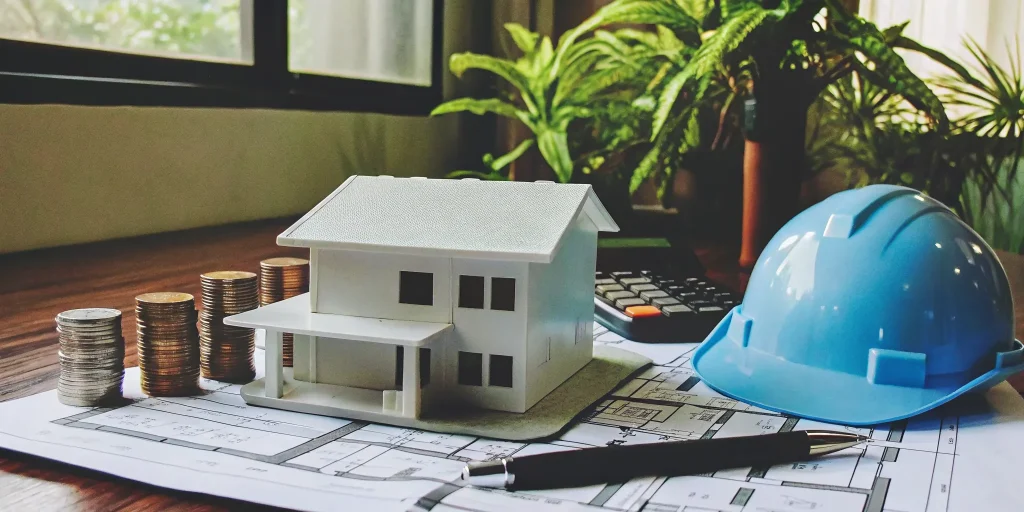
When you choose a partner to build your custom home, you’re trusting them with your vision, your timeline, and your budget. What many people don’t realize is just how critical that partnership is to the financing process itself. Lenders want to see that you’re working with a reputable, organized builder who can create a detailed budget and stick to a construction schedule. A great builder strengthens your loan application and helps you manage costs from start to finish. This guide explains how to finance building a house and highlights why your choice of builder is one of the most important financial decisions you’ll make along the way.
Key Takeaways
- Understand Your Financing Options: Financing a new home requires a construction loan, not a traditional mortgage. A construction-to-permanent loan is often the most streamlined choice, as it combines the build financing and your final mortgage into one simple process with a single closing.
- Prepare Your Financials for Scrutiny: Lenders look for a strong financial profile, so aim for a credit score of 680 or higher and have a down payment ready. Creating a detailed budget with a 10 to 15 percent contingency fund is also essential for getting your loan approved.
- Choose a Builder Who Helps with Financing: Your builder’s reputation matters to lenders. A professional builder provides the detailed plans and draw schedules needed for your application and manages the project to meet payment milestones, making the entire financing process smoother.
How Can You Finance Your New Home Build?
Figuring out how to pay for your new home is one of the first, and most important, steps in your building journey. Unlike buying an existing house with a traditional mortgage, financing new construction requires a special type of funding. These loans are structured to release funds in stages as your home is being built, which protects both you and the lender. This staged funding, called a draw schedule, ensures that work is paid for as it’s completed, keeping your project on track and on budget.
Don’t worry, it’s not as complicated as it might sound. The key is understanding your options so you can work with your lender to find the right fit for your financial situation. Most people who build a home use one of a few common loan types, and a good lender will walk you through each one. Thinking through your financing early on is a crucial part of our building process and sets you up for a smooth and predictable experience from groundbreaking to move-in day. We work closely with you and your chosen lender to make sure everyone is on the same page. Let’s walk through the main ways you can finance your new Integrity home.
Construction-to-Permanent Loans
Think of this as the all-in-one financing option. A construction-to-permanent loan, sometimes called a single-close loan, combines the funding for the build and your final mortgage into one package. You’ll go through one application and one closing, which saves you a significant amount of time, paperwork, and money on closing costs.
During the construction phase, you typically only make interest payments on the money that has been drawn so far. Once your beautiful new home is complete, the loan automatically converts into a standard mortgage with regular principal and interest payments. This is the most popular and streamlined option for a reason, as it simplifies the financing journey and lets you lock in your interest rate from the start.
Construction-Only Loans
A construction-only loan is a bit different. It’s a short-term loan that covers only the cost of building your home, usually for a period of 12 months. During this time, you’ll make interest-only payments. The key difference is what happens when construction is finished. At that point, the loan is due in full.
This means you will need to get a second, separate loan, a traditional mortgage, to pay off the construction loan. This two-step process involves two applications, two approvals, and two closings, which can add complexity and cost. While this option offers some flexibility, most people prefer the simplicity of a single-close loan unless their specific financial situation requires this approach.
Other Loan Types: FHA, VA, and Owner-Builder
Beyond the two main types, a few specialized government-backed programs can make building a home more accessible. FHA construction loans are insured by the Federal Housing Administration and are a great option for borrowers with lower credit scores or a smaller down payment.
For veterans, active-duty service members, and eligible surviving spouses, VA construction loans are an incredible benefit, often requiring no down payment at all. Finally, owner-builder loans exist for those who plan to act as their own general contractor. However, these are difficult to qualify for, as lenders require you to prove you have the experience and licensing needed to manage such a large project successfully.
How Do Construction Loans Work?
Unlike a traditional mortgage where you get a lump sum to buy an existing house, a construction loan works a bit differently. It’s a short-term loan specifically designed to finance the building of a new home, from breaking ground to the final coat of paint. The funds are paid out in stages as work is completed, which keeps the project moving and gives the lender confidence that their investment is being built as planned. It might sound complicated, but it’s a straightforward process when you know what to expect. With a clear plan and a reliable builder, you can handle the financing with confidence.
Understanding the Loan Draw Process
When your construction loan is approved, the bank doesn’t just hand over all the money at once. Instead, the funds are released in a series of payments called “draws.” These draws are tied to specific construction milestones. For example, you might have a draw after the foundation is poured, another after the framing is complete, and another once the drywall is up. Before releasing a payment, the lender will usually send an inspector to verify that the work has been completed correctly. This system ensures the project stays on track and on budget. A builder with a clear construction schedule makes this process smooth for everyone involved.
How Interest Payments Work During Construction
One of the best features of a construction loan is how the payments are structured during the build. While your home is under construction, you typically only pay interest on the funds that have been drawn so far. This keeps your monthly payments much lower than they would be for a fully funded loan. For instance, after the first draw for the foundation, your interest payment will be relatively small. As your builder completes more work and takes more draws, your interest payments will gradually increase. This interest-only period helps manage your cash flow while you’re likely still paying for your current housing.
What to Expect for Loan Terms, Rates, and Down Payments
Construction loans are considered higher risk for lenders, so the requirements can be a bit stricter than for a standard mortgage. Most lenders will ask for a down payment, often between 10% and 25% of the total project cost. Your credit score and debt-to-income ratio will also play a big role in securing approval and getting a favorable interest rate. While excellent credit is always helpful, some lenders do provide options for those with less-than-perfect credit, though the terms might be different. Working with an established, lender-approved builder can also strengthen your application, as it gives the bank confidence that the project will be completed successfully.
How to Create a Realistic Home-Building Budget
Creating a budget for your new home is one of the most important steps in the entire process. A detailed, realistic budget acts as your financial roadmap, guiding your decisions and keeping the project on track. While it might seem daunting, breaking it down into smaller pieces makes it much more manageable. The key is to account for everything upfront, from the price of the land to the style of your cabinet pulls. A transparent builder will walk you through this process, ensuring there are no major surprises along the way. Let’s look at the key components of a solid home-building budget.
Hard Costs vs. Soft Costs
First, it helps to understand the two main categories of expenses: hard costs and soft costs. Think of hard costs as the expenses tied directly to the physical structure of your home. This includes the big-ticket items like the land, foundation, lumber, roofing, and plumbing. It also covers the costs for building materials, utility hookups, and the labor required to put it all together.
Soft costs are the other essential expenses that aren’t part of the physical construction. These include things like architectural design fees, engineering services, local permits, property taxes during construction, and project insurance. A comprehensive budget must figure out all costs, and separating them into these two buckets helps ensure nothing gets overlooked.
Budgeting for Land, Permits, and Site Prep
Before a single wall goes up, you have to prepare the foundation, and that starts with the land. If you don’t already own a lot, this will be a significant part of your initial budget. When choosing a property, remember that its features will impact your total cost. The size, slope, and location of the land can influence the price of excavation, foundation work, and connecting to utilities. A steeply sloped lot in Montrose, for example, might require more extensive site prep than a flat lot in a Grand Junction subdivision. Don’t forget to factor in the cost of permits, which vary by city and county, and any necessary land clearing or grading.
Don’t Forget to Budget for Design and Finishes
This is the fun part where your personality truly shines through. It’s also where budgets can quickly expand if you’re not careful. Your budget needs to account for all the elements that turn a house into your home. This includes everything from major appliances and landscaping to the specific exterior and interior finishes you’ve been dreaming about. Whether it’s quartz countertops, hardwood floors, or custom lighting, every choice has a price tag. We recommend browsing our photo galleries for inspiration and to get a clear idea of the styles you love. This helps you communicate your vision and allows us to price your selections accurately from the start.
Why You Need a 10–15% Contingency Fund
No matter how carefully you plan, unexpected costs can happen. A contingency fund is a portion of your budget set aside specifically for these surprises. It’s your financial safety net. Most lenders and builders recommend you add an extra 10% to 15% of your total construction cost for this fund. This money can cover unforeseen issues, like hitting a patch of difficult soil during excavation, or weather-related delays. It also gives you the flexibility to make a last-minute upgrade if you decide you can’t live without that farmhouse sink. Having this fund in place provides peace of mind and prevents small issues from derailing your budget.
Common Budgeting Mistakes to Avoid
One of the biggest financial hurdles in home building is simply forgetting to account for certain expenses. It’s easy to focus on the cost of lumber and labor, but many people forget to account for indirect costs like permits, insurance, and landscaping. Another common mistake is underestimating the cost of your desired finishes or making too many changes after construction has already begun. The best way to avoid these pitfalls is to work with a builder who prioritizes transparency and communication. Our detailed building process is designed to help you create a comprehensive budget from day one, so you can feel confident and in control throughout your home-building journey.
Is It Hard to Qualify for a Construction Loan?
Securing a construction loan can feel like a bigger hurdle than getting a traditional mortgage, and in some ways, it is. Lenders view these loans as having more risk because there isn’t a finished home to use as collateral from day one. Instead, they are lending you money for a home that doesn’t exist yet. But that doesn’t mean it’s an impossible goal. With the right preparation and a clear understanding of what lenders are looking for, you can confidently approach the application process.
Think of it less as a test and more as a partnership. The lender wants to see that you have a solid financial foundation, a detailed and realistic plan for the build, and a professional team to execute it. When you can present a complete package that addresses these points, you show the lender that their investment is in good hands. Working with an experienced builder who has a clear, transparent building process can make a significant difference, as it demonstrates to the lender that your project is well-managed from the start.
What Lenders Look for in Credit and Debt-to-Income
Before you apply, it’s helpful to know the key financial metrics lenders will review. Generally, they want to see a credit score of 680 or higher. Your debt-to-income (DTI) ratio is another important factor. This number represents the percentage of your gross monthly income that goes toward paying your monthly debts. Most lenders prefer a DTI ratio of 45% or less.
Finally, be prepared for a down payment. Unlike some traditional mortgages, construction loans almost always require one. You can typically expect to need a down payment between 10% and 25% of the total loan amount. Getting these financial pieces in order is your first and most important step toward a successful application.
The Documents You’ll Need to Provide
Lenders need to verify your financial standing, so they’ll ask for a fair amount of paperwork. Getting these documents organized ahead of time will make the application process much smoother. While each lender’s checklist may vary slightly, you can generally expect to provide a signed loan application and credit authorization, along with:
- Copies of your last two years of signed federal income tax returns (both personal and business, if applicable)
- W-2 forms from the past two years
- A year-to-date Profit and Loss (P&L) statement and balance sheet if you are self-employed or own a business
This information gives the lender a complete picture of your financial health and your ability to repay the loan.
How to Strengthen Your Loan Application
Beyond your personal finances, one of the most powerful ways to strengthen your loan application is to present a detailed and comprehensive construction plan. A vague idea isn’t enough; lenders need to see that you’ve thought through every detail. This is where your choice of builder becomes a huge asset.
A professional builder will provide you with a complete set of documents, including a detailed budget, a full list of material specifications, and a construction schedule. These materials show the lender that you have a well-managed project with a clear path to completion. It minimizes their perceived risk and signals that you’re working with a team of in-house experts who can keep the project on track and on budget. This level of preparation can significantly improve your chances of approval.
Your Pre-Application Checklist
Applying for a construction loan can feel like a big hurdle, but walking in prepared makes the entire process smoother and far less intimidating. Before you even submit an application, taking the time to gather your documents and clarify your plans shows lenders that you are a serious, low-risk borrower. Think of it as creating a complete package that tells the story of your financial readiness and your project’s viability. A strong application isn’t just about good credit; it’s about presenting a clear, comprehensive vision for your new home.
This checklist will help you get everything in order. By tackling these items upfront, you’ll not only streamline the financing stage but also build a solid foundation for your entire home-building project. Having your finances organized, your builder selected, and your plans detailed will give you confidence as you talk with lenders. It also helps prevent delays down the road, ensuring you can move from loan approval to groundbreaking without a hitch. This preparation is your first step toward a stress-free building experience, turning what could be an overwhelming task into a manageable and exciting part of your journey.
Organize Your Financial Documents
Before a lender can approve your loan, they need a clear picture of your financial health. Start by gathering all the necessary paperwork. This typically includes your last two years of signed federal income tax returns for both personal and business finances, if applicable. You’ll also need recent pay stubs, bank statements, and a summary of your assets and liabilities. If you’re self-employed, be prepared to provide a year-to-date profit and loss statement and a balance sheet. Compiling these documents ahead of time demonstrates that you are organized and serious, making the underwriter’s job easier and speeding up your approval. You can find helpful checklists on what you’ll need from most major financial institutions.
Choose a Lender-Approved Builder
Your choice of builder is one of the most critical factors in securing a construction loan. Lenders want to see that you’re working with a reputable, experienced, and financially stable professional who can finish the project on time and on budget. Many lenders maintain a list of approved builders they’ve worked with before and trust. Choosing a builder from this list, or one who can easily get approved, can significantly streamline your loan process. An established builder like Integrity Homes has a proven track record and strong relationships with local lenders, which provides an extra layer of confidence for everyone involved. When you partner with a builder the bank already knows and respects, you’re a step ahead.
Create a Detailed Building Plan and Draw Schedule
A vague idea for a house won’t be enough to secure financing. Lenders need to see a detailed and comprehensive construction plan. This includes architectural blueprints, a list of materials, and a line-item budget. Alongside the plan, your builder will help create a draw schedule. This is the proposed timeline for construction milestones and the corresponding payment “draws” you’ll request from the loan. A thorough plan and schedule signal to the lender that your project is well-managed and that you and your builder have a clear roadmap to completion. This is where our team’s expertise becomes invaluable, as we guide you through our process to create a plan that is both inspiring and bank-approved.
How to Communicate Your Budget to Your Builder
Having an open and honest conversation about your budget with your builder is essential from the very beginning. This isn’t about giving away a negotiating position; it’s about establishing a partnership built on trust. Your builder needs to know your all-in number, including your contingency fund, to guide you toward realistic design choices and finishes. A transparent builder will use this information to help you get the most value for your money without pushing you beyond your financial comfort zone. Clearly communicating your budget ensures your vision aligns with your financial reality, preventing costly surprises and keeping your project on track. This collaborative approach is central to all of our services.
Why Your Choice of Builder Matters for Financing
Choosing a home builder is about much more than just the construction itself; it’s one of the most important financial decisions you’ll make in the entire process. Your builder is your project partner, and lenders see them as a key indicator of your project’s viability. A well-regarded builder with a history of finishing projects on time and on budget gives lenders confidence. This can make your loan approval process significantly smoother.
An experienced builder doesn’t just build your house; they help you manage the complex financial puzzle of a construction loan. From creating a realistic draw schedule to handling unexpected changes and maintaining open communication about costs, their expertise is your best defense against budget overruns and financing headaches. Think of your builder as the captain of the ship, steering your project through the financial waters. Their ability to plan, communicate, and execute directly impacts your bottom line and peace of mind. At Integrity Homes, our entire building process is designed to provide this level of partnership and financial oversight, ensuring a seamless journey from the first blueprint to the final walkthrough.
Meeting Draw Milestones on Schedule
A construction loan isn’t a lump sum of cash; funds are released in stages, or “draws,” as your home reaches specific construction milestones. An experienced builder creates a detailed and realistic draw schedule as part of the initial plan. This schedule signals to the lender that the project is well-managed and helps them assess risk. When your builder meets these milestones on schedule, the lender can release the next payment without delay.
If a builder fails to meet deadlines, it can halt the entire project. A missed milestone means a delayed draw, which means your builder can’t pay subcontractors or order materials for the next phase. This creates a domino effect of delays and can even add to your costs. A reliable builder keeps the project moving, ensuring funds are available exactly when they’re needed.
How Your Builder Manages Change Orders and Costs
Even the best-laid plans can meet a surprise or two. Change orders, which are additions or adjustments to the original plan, are a common source of budget stress. A great builder works to minimize these by spending more time with you in the design phase, helping you make firm decisions before construction ever begins. This proactive approach helps you stick to your original loan amount.
When a change is necessary, how your builder handles it is critical. A transparent partner will immediately discuss the cost implications with you, providing clear pricing and helping you understand how it affects your overall budget. They can offer alternative solutions to achieve your goal without derailing your finances. This careful management protects you from unexpected expenses that your construction loan may not cover, preventing you from having to pay more out of pocket.
Why Builder Transparency Protects Your Budget
Open and honest communication about your budget is the foundation of a successful home build. A trustworthy builder will have a frank conversation with you about your financial capacity from the very beginning. This allows you to make informed decisions about the size, features, and finishes of your home that align with your budget. This commitment to transparency is a core part of who we are and how we work with our clients.
This transparency should continue throughout the build. At Integrity Homes, we use an online client portal that gives you real-time access to schedules, progress photos, and financial updates. This means you always know exactly where your money is going. A builder who prioritizes this level of communication ensures there are no hidden fees or surprise costs at the end, protecting your budget and making the entire experience feel collaborative and secure.
Crossing the Finish Line: What Happens When Construction Ends?
Seeing your home’s construction wrap up is an incredible feeling. The final coat of paint is dry, the fixtures are installed, and the space you’ve been dreaming of is finally real. While the heavy lifting is over, a few important steps remain to officially make the house your home. This final phase is all about transitioning from a construction project to homeownership. It involves finalizing your financing, completing the last inspections, and, most excitingly, getting your keys.
This is where having a builder who prioritizes clear communication makes all the difference. At Integrity Homes, we walk you through each of these final items so you know exactly what to expect. Our team ensures everything is handled smoothly, from coordinating with your lender for the final draw to scheduling the last walkthrough. We manage the details so you can focus on planning your move. The end of construction marks the beginning of your new life in a home built just for you, and we’re here to make sure that transition is as seamless and joyful as the design process. Our goal is to have you settled in and loving your new space without any last-minute stress.
Converting Your Loan to a Permanent Mortgage
If you have a construction-to-permanent loan, this final step is refreshingly simple. Once the home is built, the construction loan usually changes into a regular mortgage. Think of it as one loan that wears two different hats. During the build, it functions as a short-term construction loan. After the final inspection, it automatically converts into the long-term mortgage you’ll pay over the next 15 or 30 years.
This seamless conversion is one of the biggest perks of this loan type. You avoid going through a second closing process, which saves you time, paperwork, and money on closing costs. The construction loan smoothly changes into your permanent mortgage when the home is finished, letting you move from construction payments to a stable, predictable mortgage payment without any extra hassle.
The Final Inspection and Getting Your Keys
Before you can officially call the house yours, it needs to pass a final inspection. This isn’t just a formality; it’s a crucial step for both you and your lender. Most lenders will inspect the work before releasing the final payment to your builder to make sure everything is on track and meets building rules. This inspection confirms that the home was built according to the approved plans and is ready for you to move in.
During this time, you’ll also do a final walkthrough with your builder. This is your opportunity to see the finished product up close and point out any last-minute details that need attention. Once the lender gives the green light and you’re happy with the walkthrough, you’re cleared for closing. After the final papers are signed, you get the keys. You can start picturing your new life by browsing our photo galleries of completed homes.
Closing on a Construction-Only Loan
If you opted for a construction-only loan, the process after the build is a bit different. With this type of financing, the loan covers only the cost of construction. Once the home is complete, that loan is due in full. This means you’ll need to apply for a new, separate permanent mortgage after building is done, which means another financial check.
This path usually involves two separate loan applications and closings: one for the construction loan and another for your permanent mortgage. While it requires a few extra steps, it’s a common way to finance a new build. Your lender will guide you through the application for your permanent mortgage, which will pay off the construction loan. It’s just a different route to the same destination: a beautiful new home and a standard mortgage. You can find more answers to financing questions on our FAQs page.
Related Articles
- Energy-Efficient Homes: Save Money While Building Smart
- The Advantages of Building a New Home Over Buying an Existing Home
- How to Maintain Your New Home: Tips for Longevity and Comfort
- The Advantages of Using a Design-Build Firm for Your New Home Project
- New Homes: A Better Value for Today’s Buyers
Frequently Asked Questions
Which is better for me: a single-close or a two-close construction loan? For most people, a single-close loan, also known as a construction-to-permanent loan, is the most straightforward option. You go through the application and closing process just once, which saves you time, paperwork, and extra fees. When your home is finished, the loan automatically converts to a standard mortgage. A two-close loan, which involves a short-term construction loan followed by a separate mortgage, can sometimes offer flexibility but requires you to qualify twice and pay two sets of closing costs. The simplicity and predictability of a single-close loan make it the preferred choice for many of our clients.
How much should I expect to put down on a construction loan? The down payment for a construction loan typically ranges from 10% to 25% of the total project cost. The exact amount depends on your lender, your financial profile, and the type of loan you choose. For example, government-backed options like VA and FHA construction loans often have lower down payment requirements. It’s best to think of the down payment as your initial investment in the project. Having your finances in order and a clear plan from a trusted builder can also put you in a stronger position when discussing terms with your lender.
What happens if my build costs more than my loan amount? This is exactly why a contingency fund is so important. We strongly recommend setting aside an extra 10% to 15% of your total build cost as a financial cushion. This fund is your safety net for covering unexpected site issues or for making a last-minute design upgrade you decide you can’t live without. If a change order or surprise expense arises, you can use this fund to cover it without derailing your primary financing. Working with a builder who prioritizes a detailed budget and transparent communication from the start is the best way to prevent major cost overruns in the first place.
Will I have to pay my full mortgage payment while the house is being built? No, and this is one of the most helpful features of a construction loan. During the building phase, you typically only make interest payments on the funds that have been paid out to your builder so far. Your payments start small and gradually increase as construction progresses and more funds are drawn. This helps keep your monthly expenses manageable, especially if you are also paying rent or a mortgage on your current home. Your regular principal and interest payments will only begin after the house is complete and the loan has converted to a permanent mortgage.
How does choosing Integrity Homes help with the financing process? Lenders want to see a well-managed project with a clear path to completion, and that’s where we come in. We provide you with the detailed documents that lenders need to see, including a comprehensive budget, a full set of plans, and a realistic construction schedule. Because we have strong relationships with local lenders and a reputation for finishing projects on time and on budget, our involvement gives them confidence in your project. This level of preparation and professionalism can make your application stronger and the entire approval process much smoother.