
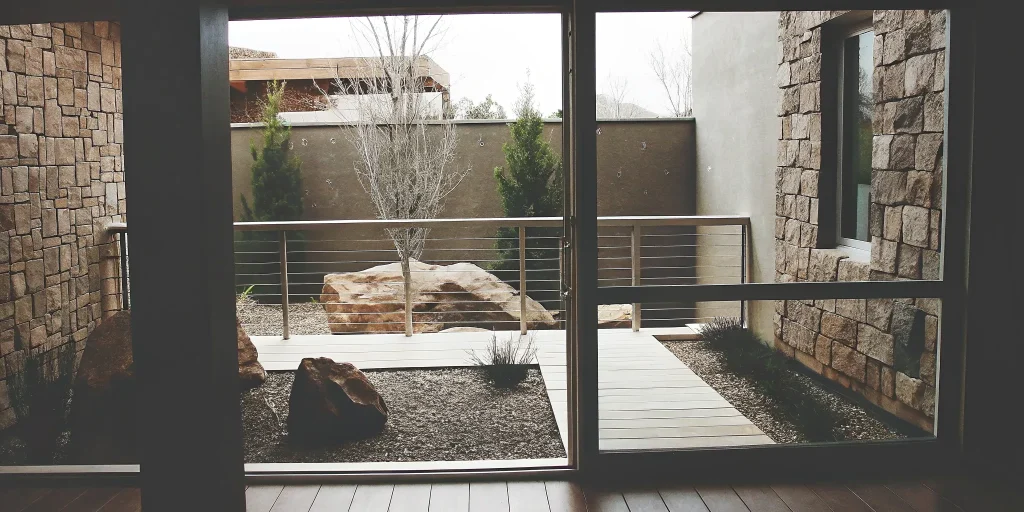
Your home’s exterior is the first thing anyone sees, and a beautiful landscape does more than just create curb appeal. It’s a significant investment in your property’s value and your family’s daily enjoyment. A well-designed yard can increase your home’s worth by up to 15%, making it one of the smartest financial decisions you can make during your build. But beyond the numbers, a great landscape gives you a private oasis for morning coffee or a perfect spot for summer barbecues. When it comes to new construction landscaping in Grand Junction, a strategic plan ensures every dollar you spend adds beauty, function, and long-term value. In this article, we’ll explore how to plan and budget for an outdoor space that delivers a powerful return on investment.
Key Takeaways
- Treat your landscape as part of the home build: Planning your outdoor space from the start saves money and stress. It allows your builder to handle essential work like grading and installing irrigation lines while heavy equipment is already on site, ensuring a cohesive and well-executed final result.
- Build a resilient garden with the right plants: For a landscape that thrives in Western Colorado, select native and drought-tolerant plants. They are naturally suited to our sunny climate and alkaline soil, which means you’ll spend less time on maintenance and more time enjoying your yard.
- Hire a professional to protect your home’s foundation: A qualified landscaper does more than make your yard look good; they ensure proper grading and drainage. This technical expertise is crucial for directing water away from your foundation and preventing costly damage down the road.
What is New Construction Landscaping?
When you’re building a new home, the landscape is much more than just the finishing touch. Think of it as designing the other half of your living space. New construction landscaping is the process of creating a complete outdoor environment from a blank slate. It’s your opportunity to design a yard that perfectly complements your home’s architecture and fits how you want to live, whether that means a sprawling lawn for the kids, a quiet patio for morning coffee, or a garden full of native plants.
This process goes beyond planting a few flowers. It starts with the foundational work, like grading the land to ensure water drains away from your home. It also includes planning and installing hardscapes like patios, walkways, and retaining walls. From there, it covers everything from choosing the right trees and shrubs for our Western Colorado climate to setting up an efficient irrigation system. Unlike updating an existing yard, starting from scratch gives you complete control to create a functional and beautiful space that feels like a natural extension of your brand-new home. You can see how a thoughtful landscape completes a home in our photo galleries.
New vs. Existing Home Landscaping
Landscaping a new build is a completely different ballgame than renovating an established yard. With an existing home, you’re often working around mature trees, established garden beds, and old hardscaping. For a new construction home, you have a clean slate. This means you can map out every element without constraints, ensuring the final design is exactly what you envisioned.
As part of our home building services, we handle the initial site preparation, including grading for proper drainage. Some builders offer a basic landscaping package that might include laying sod, but it’s important to clarify exactly what is covered. This blank canvas approach helps you avoid common mistakes from the start, like choosing plants that will quickly outgrow their space or installing a patio that’s too small for your needs. You get to make smart, intentional choices from day one.
Why Timing is Everything
When it comes to landscaping your new home, thinking ahead is key. Integrating your landscape design early into your home’s construction schedule can save you significant time, money, and stress. A well-defined timeline helps you set realistic expectations for when your yard will be ready and allows you to coordinate the project with the final phases of your home build.
Planning ahead is also more practical. For example, it’s much easier to run pipes for an irrigation system or electrical lines for outdoor lighting before the driveway is poured and the sod is laid. Addressing these details early is a core part of our building process because it prevents having to dig up finished work later. By planning your landscape in tandem with your home construction, you ensure a smoother project from start to finish and get to enjoy your beautiful new outdoor space much sooner.
How to Plan Your Grand Junction Landscape
With your new home’s foundation set, it’s time for the fun part: dreaming up the outdoor spaces where you’ll relax, play, and entertain. A thoughtful landscape plan does more than just add curb appeal; it creates a functional, beautiful extension of your home that thrives in our unique Western Colorado environment. Planning ahead ensures every element, from the patio to the garden beds, works together to create a cohesive and sustainable design. Instead of tackling it all at once, breaking the process down into a few key steps makes it manageable and helps you create an outdoor space you’ll love for years to come. This is your chance to define how you want to live outside.
Analyze Your Site and Soil
Before you can pick a single plant, you need to get to know your property. Understanding your yard’s specific conditions is the foundation of a successful landscape. Grand Junction’s soil is often clay-heavy and alkaline, which can be a challenge for some plants. You should also map out how the sun moves across your property to identify hot, sunny spots and cooler, shady areas. A simple soil test can give you a clear picture of what you’re working with, helping you amend the soil or choose plants that will naturally do well. As one expert notes, “You must understand your soil, your climate, and the specific requirements of every plant you choose.” This initial analysis will save you time, money, and frustration down the road.
Create a Master Plan for Your Home
Jumping into landscaping without a clear vision is a common misstep. A master plan acts as your roadmap, ensuring your garden design, walkways, and outdoor living areas feel connected and intentional from the start. Think about how you want to use your yard. Do you envision a large patio for summer barbecues, a quiet corner for reading, or a grassy area for kids and pets to play? Sketch out these different zones and consider how people will move between them. Your plan should include both hardscaping (patios, decks, paths) and softscaping (plants, trees, lawn). This is a key part of our process, as a well-developed plan helps align every detail before any work begins.
Select Plants Suited for Western Colorado
The key to a low-maintenance, beautiful garden in Grand Junction is choosing plants that are adapted to our climate. Opting for native and drought-tolerant species means you’ll use less water and spend less time on upkeep. As local gardeners will tell you, “it is very important to choose plants that are native to the area and are already adapted to the soils and climatic conditions.” These plants are naturally equipped to handle our sunny days and dry spells. Think about adding texture and color with ornamental grasses, yarrow, and penstemon. Choosing plants that thrive in the conditions your yard naturally provides will help them grow stronger and stay healthier over time.
Explore Local Landscaping Trends
While your personal style is most important, looking at local trends can offer great inspiration. In Western Colorado, there’s a strong focus on creating functional outdoor living areas that serve as extensions of the home. Think patios with fire pits, outdoor kitchens, and comfortable seating. Sustainability is also key, with many homeowners choosing xeriscaping (low-water landscaping) and native plants. Another popular idea is creating privacy with natural screens. Using shrubs and trees to edge your property creates a soft, green barrier that feels more organic than a fence. You can see beautiful examples of these ideas in our photo galleries of completed homes.
How Much Does New Construction Landscaping Cost?
Figuring out a budget for your new home’s landscaping can feel like a big question mark. After all, you’re starting with a blank slate, which is both exciting and a little intimidating. The good news is that this fresh start gives you complete control to create an outdoor space that perfectly matches your new home and lifestyle. While costs can vary widely, understanding the key factors will help you set a realistic budget and make informed decisions for your property in Grand Junction or Montrose. Think of it not just as an expense, but as an investment in your home’s curb appeal and your family’s enjoyment for years to come.
What Influences the Price in Western Colorado?
Several key elements play into the final cost of landscaping your new home. The size of your lot and the complexity of your design are the most obvious factors. A simple lawn with a few garden beds will cost less than an intricate design with multiple levels and features. The types of materials you choose, from basic concrete pavers to natural flagstone, will also have a big impact. Beyond your design choices, external factors can affect the price. Unpredictable weather, the availability of supplies, and even the demand for skilled workers in the area can influence timelines and costs. If your dream yard includes structural elements like retaining walls or a built-in gas fire pit, you’ll also need to account for local permits, which can add to the budget. Working with a builder who manages this entire building process can help you anticipate these variables from the start.
What Drives Landscaping Costs
Every project is unique, and material and labor prices change, so the most useful number is a current quote for your own yard. Size, materials and labor set most of the cost, with labor usually the largest portion. A simple, low-maintenance yard costs far less than a full backyard transformation with an expansive patio, outdoor kitchen, and custom lighting. The best approach is to decide what’s most important to you. Do you want a simple, low-maintenance space or a complete outdoor oasis? Looking through photo galleries of completed homes can give you a great sense of what’s possible at different budget levels.
How to Budget for Hardscaping and Irrigation
When you’re creating your landscaping budget, don’t forget to account for two major components: hardscaping and irrigation. Hardscaping includes all the non-living elements of your design, such as patios, walkways, retaining walls, and steps. These features form the foundation of your outdoor living space and are essential for both function and style. You’ll also want to factor in costs for things like decorative stone and landscape lighting. An efficient irrigation system is another crucial investment, especially in Western Colorado’s climate. Include the sprinkler system in your landscaping quote from the start. Planning for these big-ticket items upfront ensures they are integrated seamlessly into your overall design and helps you avoid surprise expenses down the road. Our in-house experts can help you incorporate these features into your home plan from day one.
How to Choose the Right Landscaping Company
Choosing a landscaping partner is as important as selecting your kitchen finishes. This team will shape your home’s first impression and create the outdoor spaces where you’ll make memories. The right professional understands Western Colorado’s unique environment and has a clear process for bringing your vision to life. As you vet potential companies, focus on their local expertise, planning process, and portfolio. A little research upfront ensures your yard will be a beautiful, functional extension of your new home.
Verify Qualifications and Credentials
A beautiful landscape starts with a healthy foundation. The best landscapers understand our local environment intimately. As one expert puts it, “You must understand your soil, your climate, and the specific requirements of every plant you choose.” Look for a company with a proven track record in the Grand Junction area. Check for proper licensing and insurance to protect yourself and your investment. Ask to see a portfolio of their work; our photo galleries can give you an idea of what to look for in a quality portfolio. A strong collection of past projects shows they can deliver on their promises and create stunning, sustainable landscapes.
Ask These Questions Before You Hire
Before signing a contract, have a detailed conversation about the company’s approach. A well-developed plan is essential for aligning the garden design, pathways, and outdoor living spaces from the start. Ask potential landscapers how they develop a master plan and how they ensure the design, function, and maintenance needs of the landscape work together. It’s also smart to ask about their communication style and project management. Understanding their process will give you confidence that the project will run smoothly, stay on schedule, and align with your vision for your new home.
Watch Out for These Red Flags
Be mindful of a few warning signs when meeting with landscapers. Vague plans or a portfolio with mismatched materials and awkward layouts can be a red flag. Professionals who create successful landscapes understand how every element works together as a cohesive system. Be cautious of bids that are significantly lower than others, as this could indicate cut corners or inexperience. A true professional will take the time to understand your goals and your property’s specific needs. They should be able to explain their landscaping services clearly and provide a detailed, transparent proposal without pressuring you to make a quick decision.
What Services Can You Expect?
When you partner with a professional landscaping company for your new home, you’re getting a team that handles everything from the initial sketch to the final plant placement. Their goal is to create an outdoor space that is beautiful, functional, and built to last in the Western Colorado climate. As part of our home building process, we help you connect with trusted local experts who offer a full suite of services to bring your vision to life. This collaboration ensures your yard is a true extension of your home, designed with the same care and attention to detail as the interior. From foundational work like grading to the finishing touches of outdoor lighting, a full-service landscaper manages every detail.
Landscape Design and Installation
The first step is creating a thoughtful design. A professional landscaper will work with you to develop a master plan for your property, considering how you want to use the space. This isn’t just about picking pretty flowers; it’s about creating functional zones for relaxing, entertaining, and playing. They will select plants, trees, and shrubs that thrive in our local environment, ensuring your yard looks great for years to come. Once the design is finalized, their team handles the complete installation, from preparing the soil and planting to laying sod or mulch for a polished, move-in-ready look.
Hardscaping and Outdoor Living Areas
Hardscaping refers to all the non-living elements in your landscape, and it’s what gives your yard structure and usability. This includes features like stone pathways, patios for outdoor dining, retaining walls to create level areas, and cozy fire pits for evening gatherings. These elements extend your living space into the outdoors, creating functional rooms without walls. A well-designed hardscape can connect different parts of your yard, like linking a main patio to an outdoor kitchen or seating area. You can see beautiful examples of integrated indoor-outdoor living in our photo galleries.
Irrigation System Setup and Care
A healthy landscape needs a smart watering plan, especially in our dry climate. Professional landscapers install efficient irrigation systems designed specifically for Western Colorado. These systems deliver the right amount of water directly to your plants’ roots, conserving resources and saving you time. Beyond sprinklers and drip lines, this service often includes setting up and maintaining the system to ensure it runs properly through the seasons. Many companies also handle other technical aspects of landscaping, such as installing low-voltage lighting to highlight your home’s features or placing decorative stone and boulders.
Why Hire a Professional Landscaper?
After designing the perfect interior for your new home, it’s easy to see landscaping as just the final touch. But a well-executed landscape is much more than that; it’s an essential part of protecting your investment and creating a space you’ll love inside and out. While the DIY route might seem tempting, hiring a professional landscaper ensures the job is done right from the start. They bring technical expertise and local knowledge that can save you from costly mistakes down the road. At Integrity Homes, our comprehensive services include professional landscaping to ensure your exterior is as thoughtfully planned as your interior.
Add Value and Curb Appeal to Your Home
Your home’s exterior is the first thing people see, and a beautiful landscape makes a powerful first impression. Professional landscaping is one of the smartest investments you can make in your new property. In fact, a thoughtfully designed landscape can increase your home’s value by as much as 15%, with a potential return on investment between 100% and 200%. A professional knows how to create a cohesive design that complements your home’s architecture, turning a bare construction lot into a stunning and welcoming environment. You can see the difference it makes in our photo galleries of completed homes across Western Colorado.
Ensure Proper Drainage and Grading
One of the most critical yet overlooked aspects of landscaping is proper site preparation. Neglecting a grading and drainage plan can lead to serious problems like water pooling near your foundation, soil erosion, and drowned plants. A professional landscaper will analyze your property’s slope and soil to ensure water flows safely away from your home. This foundational step is crucial for protecting your home from potential water damage and preserving the integrity of your landscape for years to come. It’s a technical job that requires precision and expertise, making it a key reason to trust a professional as part of your home-building process.
Get Expert Plant Selection and Placement
Choosing the right plants for Western Colorado’s unique climate is both an art and a science. A professional landscaper has deep knowledge of which trees, shrubs, and flowers will thrive in our specific soil types and sun exposure. They can design a sustainable landscape that considers each plant’s mature size, water needs, and seasonal interest, preventing issues like overcrowding or a garden that only looks good for one season. This expert guidance helps you create a beautiful, healthy, and low-maintenance yard that complements your lifestyle and flourishes year after year, saving you the time and expense of replacing plants that weren’t right for the environment.
When is the Best Time to Start Landscaping?
Figuring out the right time to start your landscaping is one of the most common questions we get from new homeowners. It’s tempting to think of it as the final touch, something to tackle after you’ve unpacked the last box. However, the best approach is to plan your outdoor space right alongside your home’s construction. Integrating your landscape design early ensures that everything from grading to irrigation is handled efficiently, preventing costly rework later on.
Thinking about your yard from the beginning allows you to make smarter decisions. For example, heavy machinery needed for patios or retaining walls can access the site more easily before driveways are poured and fences are up. Planning ahead also helps you create a cohesive look where your home and garden feel perfectly connected. By aligning your landscaping timeline with your build, you can move into a home that’s truly complete, inside and out, without the stress of a major outdoor project looming over you. It’s all about creating a clear roadmap for a smooth and cost-effective process.
Coordinate with Your Home’s Construction Schedule
The key to successful new construction landscaping is treating it as part of the build, not an afterthought. When you coordinate with your builder, you can schedule major earthwork, like grading and trenching for irrigation lines, while heavy equipment is already on-site. This simple step can save you a significant amount of money and prevent damage to your new driveway or lawn.
A well-defined timeline helps manage everything efficiently. By mapping out your landscape project, you can set realistic expectations and avoid delays. This is a core part of our building process, as it ensures every phase flows smoothly into the next. Planning your landscaping early allows for better resource management and helps you move into a beautifully finished home without any loose ends.
Consider Grand Junction’s Seasons
Working with Grand Junction’s climate is essential for a thriving landscape. The best times for planting are typically in the spring and fall when milder temperatures help new plants establish strong roots without the stress of extreme heat or cold. Summer can be intensely hot, making it a challenging time for new plantings to survive, while winter often brings frozen ground that makes digging impossible.
While planting is season-dependent, many hardscaping projects like patios, walkways, and retaining walls can be installed during a broader window of time. Most basic landscaping projects take one to two weeks to complete, but more complex designs can require up to a month. Factoring this into your seasonal planning ensures your project wraps up before the weather turns, giving your new yard the best possible start.
Plan for Permits and Utilities
Depending on the complexity of your landscape design, you may need to secure permits before any work begins. Features like retaining walls over a certain height, in-ground pools, decks, or outdoor kitchens with gas and water lines often require approval from the city or county. This process isn’t instant, so it’s important to identify these needs early and submit applications well in advance to avoid holding up your project.
You’ll also need to coordinate with utility companies to locate and install any necessary lines for irrigation, lighting, or gas features. Working with an experienced builder and landscaper helps streamline this process, as they understand the local requirements and can manage the paperwork for you. You can find answers to other common building questions on our FAQs page.
Avoid These Common Landscaping Mistakes
Creating a beautiful landscape is one of the most exciting parts of building a new home, but it’s also an area where costly mistakes can happen. A thoughtful approach from the beginning will save you from future headaches and protect your investment. By sidestepping a few common pitfalls, you can ensure your outdoor space is as well-crafted and enduring as your home itself.
From the soil under your feet to the plants you choose, every decision matters. It’s about more than just curb appeal; it’s about creating a sustainable, functional, and beautiful extension of your living space that thrives in our unique Western Colorado environment. Let’s walk through the most frequent missteps homeowners make and how you can avoid them to create a landscape that you’ll love for years to come.
Neglecting Soil Prep and Assessment
It’s easy to get caught up in choosing beautiful plants, but what they’re planted in is far more important. Many homeowners put expensive trees and shrubs into poor-quality soil without a second thought, only to watch them struggle. Proper soil preparation is the foundation of a healthy, long-lasting landscape. Here in Western Colorado, our soil can be heavy in clay and alkaline, which isn’t ideal for every plant. Before you plant anything, it’s crucial to understand what you’re working with. A simple soil test can tell you everything you need to know, allowing you to amend the soil with the right nutrients and organic matter to help your new garden flourish.
Forgetting Drainage and Grading
Water is essential for your landscape, but it can be destructive if it doesn’t go where it’s supposed to. Neglecting a proper grading and drainage plan can lead to serious issues, including water pooling near your foundation, soil erosion, and drowned plant roots. When building a new home, you have the perfect opportunity to get this right from the start. The goal is to gently slope the ground away from your house to guide rainwater and irrigation runoff safely away. Discussing the grading plan early in our building process ensures your home and landscape are protected from potential water damage down the line.
Choosing the Wrong Plants for the Climate
A plant that looks stunning at the nursery might not be the right fit for your yard. Choosing plants that don’t match our local conditions is a recipe for a high-maintenance, unsuccessful garden. Western Colorado has a unique high-desert climate with intense sun, cold winters, and limited water. Plants that aren’t suited for these conditions will require constant attention and may not survive. Instead, focus on species that are native or adapted to our region. These drought-tolerant plants are not only beautiful but also resilient, requiring less water and care once established.
Overplanting Without a Master Plan
One of the most common mistakes is moving forward without a master plan. It’s tempting to fill a new garden bed with small plants for an instantly full look, but this often leads to overcrowding as they mature. Plants packed too tightly compete for sunlight, water, and nutrients, which can lead to poor health and a messy appearance. Before you buy, consider the mature size of each plant and give it the space it needs to grow. A well-developed plan, which is a key part of our landscaping services, ensures a cohesive design where every plant has room to thrive, creating a balanced and beautiful landscape for years to come.
What to Expect During the Landscaping Process
Once you have a plan and a professional partner, the landscaping process itself is an exciting journey. It’s where your vision starts to take shape, turning a plot of dirt into a beautiful, functional outdoor space. Understanding the key stages helps you know what’s happening and when, making the entire experience feel smooth and predictable. From the first conversation to the final walkthrough, here’s a step-by-step look at how your new landscape comes to life.
Step 1: Consultation and Design
The process begins with a conversation. During the initial consultation, you’ll discuss your vision, lifestyle, and budget with your landscape designer. This is the time to share your ideas, from the types of plants you love to how you imagine your family using the space. A great designer will listen and offer expert guidance to refine your concepts into a workable plan. Following this meeting, they will develop a detailed design and a clear timeline. This project schedule is essential because it sets realistic expectations and helps you coordinate other activities, ensuring the project runs efficiently from start to finish.
Step 2: Installation and Project Phases
This is where the real transformation happens. The installation phase begins with site preparation, which can include grading the land, improving the soil, and mapping out irrigation and lighting systems. Most basic landscaping projects take one to two weeks to complete after breaking ground. More complex installations involving features like retaining walls, patios, or outdoor kitchens typically require two to four weeks. If your project includes major structural elements, it may also require permits from your local municipality. Your builder or landscaper will handle this, ensuring everything is built to code and integrated seamlessly with your new home’s construction plan.
Step 3: Final Walk-Through and Care Tips
Once the installation is complete, you’ll do a final walk-through with your landscaping team. This is your opportunity to review the work, ask questions, and make sure every detail matches the plan you approved. Your landscaper will also provide you with essential care instructions for your new plants, lawn, and hardscaping features. Following their guidance on watering, fertilizing, and pruning is key to helping your landscape thrive. Thoughtful planning and proper care ensure your outdoor space not only looks beautiful on day one but continues to mature and perform well for years to come. You can see some beautiful examples in our photo galleries.
Related Articles
- General Contractors – New Home Construction in Colorado
- Semi-Custom Home Builder | Grand Junction & Montrose
- New Construction Homes for Sale | Western Colorado
Frequently Asked Questions
When is the best time to start planning my landscape? The ideal time to start planning your landscape is while your home is still in the design phase. Thinking about your outdoor spaces early allows you to integrate features like irrigation lines or electrical wiring for lights before the driveway is poured or the lawn is installed. This approach saves you from costly rework and ensures your home and yard feel connected from day one.
Does a basic landscaping package cover everything I need? A standard package from a builder typically covers the essentials to get you started, such as grading the soil for drainage and laying down sod. While this provides a clean and functional starting point, it usually doesn’t include custom features like patios, fire pits, or detailed garden beds. If you envision a complete outdoor living area, you will want to develop a more comprehensive plan.
What’s the most important first step in creating a landscape plan? Before you pick a single plant, the most important step is to understand your property. Take time to observe how sunlight moves across your yard throughout the day and get a clear picture of your soil’s condition. Knowing your specific site, including its sunny spots, shady corners, and soil type, is the foundation for every other decision and helps you create a landscape that will actually thrive.
How can I create a low-maintenance yard in Western Colorado? The key to a low-maintenance yard here is working with our climate, not against it. Focus on choosing plants that are native or well-adapted to our dry, sunny conditions, as they will require less water and care once established. Grouping plants with similar water needs together and installing an efficient drip irrigation system will also significantly reduce your time spent on upkeep.
Should I install my patio and walkways before or after planting? You should always install your hardscaping elements, like patios, retaining walls, and walkways, first. These projects often require heavy equipment and materials that can easily damage a new lawn or delicate plants. Getting the structural components of your yard in place first creates a clean slate for planting and ensures your new greenery won’t get trampled during construction.