
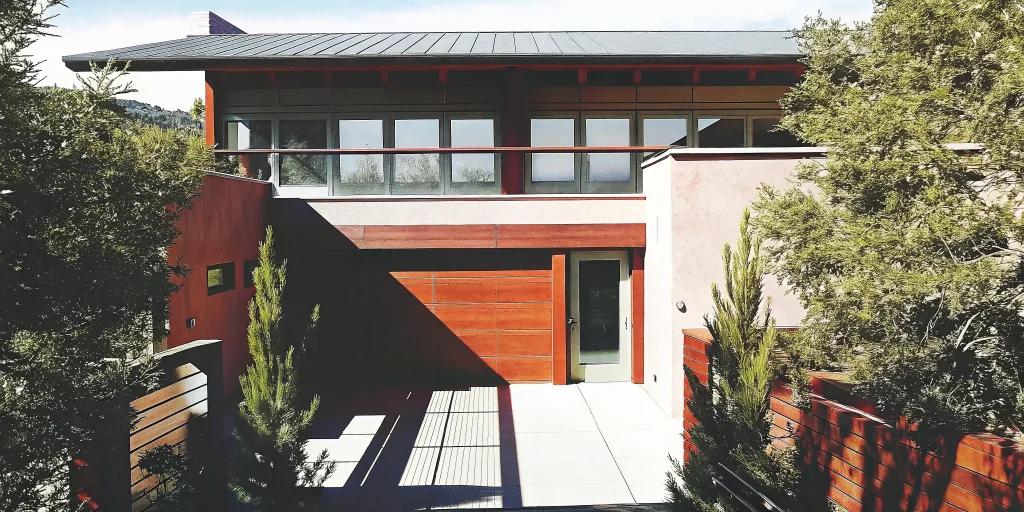
Living in Western Colorado means appreciating our incredible natural surroundings, from the Book Cliffs to the Grand Mesa. When building a new home here, it only makes sense to choose a process that respects and works with our unique environment. This is where sustainable building comes in. It’s an approach that creates a home in harmony with our sunny, arid climate, designed for comfort and efficiency through all four seasons. By using smart design principles and water-wise features, sustainable home building Grand Junction ensures your home is not just beautiful, but also resilient and resource-conscious. In this guide, we’ll explore how this thoughtful method of construction results in a home that is perfectly suited for the Colorado lifestyle you love.
Key Takeaways
- Focus on the long-term return on your investment: A sustainable home provides lasting value through lower monthly utility bills, healthier indoor air, and a higher resale value, making it a wise financial decision for your family.
- View your home as a complete system, not just a collection of features: True sustainability comes from an integrated design where high-performance insulation, energy-saving windows, and efficient systems all work together to create a more comfortable and cost-effective home.
- Choose a builder who is an expert partner: The right builder will guide you through the process with transparency. Ask detailed questions about their sustainable building experience, review their past projects, and ensure they share your vision for a high-performance home.
What is a Sustainable Home Builder?
When you hear “sustainable home,” you might picture a futuristic house covered in solar panels. While that’s part of the story, a true sustainable home builder takes a much broader approach. They look at the entire lifecycle of a home, from the initial design and material selection to its long-term energy and water use. Think of them as partners in creating a home that’s not only better for the planet but also healthier and more affordable for you to live in.
A sustainable builder focuses on creating a high-performance home. This means they use smart design principles and advanced construction techniques to minimize environmental impact. Their goal is to build a house that is durable, comfortable, and efficient, using resources wisely every step of the way. This philosophy is woven into every decision, from how the house is positioned on your lot to the type of paint used on the walls. It’s a holistic process that results in a home that works in harmony with its environment. At Integrity Homes, our building process is designed to integrate these principles, ensuring your home is built with care for both your family and the future.
Smart Design and Energy-Efficient Materials
A sustainable home starts long before the first wall goes up. It begins with smart design. A builder will consider the local climate and the orientation of your home to maximize natural light and minimize the need for heating and cooling. They use practical and proven methods to make homes energy efficient, like installing high-quality insulation, energy-efficient windows, and preparing homes for solar power. By creating a tightly sealed building envelope, they prevent air leaks, which is one of the biggest sources of energy waste in a typical home. This thoughtful approach to home design and construction ensures your home is comfortable and efficient from day one.
Working Toward Net-Zero with Renewable Energy
Some sustainable builders are even aiming for “Net Zero.” A net-zero home is designed to be so energy-efficient that it can produce as much renewable energy as it consumes over the course of a year. This is the gold standard in sustainable building. These homes are not just efficient; they are also designed to be healthy, comfortable, and incredibly durable. Achieving net-zero status usually involves combining an ultra-efficient home design with a renewable energy system, like rooftop solar panels. It’s a forward-thinking goal that can dramatically reduce or even eliminate your monthly energy bills while creating a truly self-sufficient home.
Conserving Water with Smart Systems
In a place like Western Colorado, water conservation is a top priority. A sustainable builder understands this and incorporates water-saving features throughout the home. This goes beyond just installing a few low-flow faucets. They design systems that use water more intelligently, including high-efficiency toilets and showerheads that reduce consumption without sacrificing performance. They also consider outdoor water use, planning for drought-tolerant landscaping and efficient irrigation systems. By using WaterSense labeled products, a sustainable builder helps you lower your utility bills and conserve our community’s most precious resource.
Using Healthier Materials for Better Air Quality
The materials used to build your home have a direct impact on your health. Sustainable builders carefully select materials to ensure excellent indoor air quality. They prioritize products with low or no volatile organic compounds (VOCs), which are chemicals that can be released from paints, flooring, and adhesives, affecting the air you breathe. Sustainable construction materials are also sourced in a way that minimizes environmental harm and promotes resource efficiency. This might mean using reclaimed wood, recycled steel, or locally sourced stone. The result is a home that’s not just better for the environment but also a healthier space for your family to thrive.
Finding a Sustainable Home Builder in Grand Junction
Choosing the right builder is one of the most important decisions you’ll make on your journey to a new home. In Grand Junction, you’ll want to find a partner who not only understands your vision but also has a genuine commitment to sustainable building practices. The best green builders see a home as a complete system, where every component works together to create an efficient, comfortable, and healthy living space.
When you start your search, look for builders who prioritize creating energy-efficient custom homes through smart design and high-performance materials. Some forward-thinking builders are even on a mission to achieve ‘Net Zero’ homes, which produce as much renewable energy as they consume. This approach is rooted in building science, a deep understanding of how a house performs to improve air quality and comfort while reducing its environmental footprint.
A great sustainable builder will also guide you through selecting the right sustainable materials, from framing to finishes, that align with your goals. They should also be knowledgeable about local programs and rebates for energy efficiency that can make your green home even more affordable. Finding a builder with this expertise ensures your home is not only beautiful but also built for a healthier, more sustainable future.
Our Approach to Sustainable Building
At Integrity Homes, we believe a well-built home is inherently a sustainable one. Our approach isn’t about chasing trends; it’s about applying smart design and proven building practices to create a home that performs beautifully for your family. We focus on creating an efficient thermal envelope with high-quality insulation, energy-saving windows, and meticulous air sealing. This foundation ensures your home stays comfortable year-round with less reliance on heating and cooling.
We integrate energy-efficient building practices into every step of our process, from initial design to final walkthrough. Our team helps you select durable, high-performance materials and systems that fit your budget and lifestyle, ensuring you get the best long-term value. We are committed to a transparent and collaborative journey, giving you a home that is not only personalized to you but also kind to your wallet and the planet.
Why Build a Sustainable Home?
When you think about building a sustainable home, you might picture solar panels and recycled materials. While those are part of the story, the real benefits hit much closer to home. Choosing to build sustainably is about creating a healthier, more comfortable, and more affordable living space for your family. It’s a forward-thinking approach that pays off in both your daily life and your long-term financial well-being. From the air you breathe to the bills you pay, a green home is designed around you.
At Integrity Homes, we believe that thoughtful construction can create a home that not only looks beautiful but also performs beautifully. Our building process integrates sustainable practices from the ground up, ensuring your new home in Grand Junction or Montrose is a smart investment for your family and the planet. Let’s look at some of the most compelling reasons to build a sustainable home.
Lower Your Monthly Utility Bills
One of the most immediate and rewarding benefits of a sustainable home is the savings you’ll see on your monthly bills. Because “energy-efficient designs mean lower utility bills every month,” you can enjoy a more predictable budget and less financial stress. This isn’t about sacrificing comfort; it’s about smart design. We achieve this through features like high-performance insulation, airtight construction, and energy-efficient windows and appliances. These elements work together to keep your home comfortable year-round without constantly running the heat or AC. It’s a practical advantage that makes a real difference in your cost of living.
Breathe Healthier Air at Home
Your family’s health is a top priority, and the home you build plays a huge role in it. Sustainable homes are built with materials that promote better indoor air quality. We carefully select low-VOC (volatile organic compound) paints, finishes, and building materials to reduce harmful off-gassing. Plus, sustainable homes often “use clean energy solutions, which means less unhealthy pollution inside.” Paired with advanced ventilation systems that circulate fresh air, these choices help create a living environment where your family can breathe easier. This is especially important for children and anyone with allergies or respiratory sensitivities.
Increase Your Home’s Resale Value
Building a home is a significant investment, and a sustainable home is one that protects its value over time. As more homebuyers recognize the benefits of green building, these properties are becoming increasingly sought after. A home built with sustainability in mind simply performs better. “The result is a home that runs efficiently, costs less to maintain, and has greater long-term value.” When it comes time to sell, features like low utility costs and durable, high-quality construction are powerful selling points. You can see the quality and thoughtful design that contribute to lasting value in our photo galleries.
Build a Durable Home That’s Better for the Planet
Sustainable building is about creating a home that lasts while respecting the environment. This means using materials that are both durable and responsibly sourced. Sustainable materials are those “sourced and manufactured in a way that minimizes environmental harm.” By choosing these materials, we not only reduce the home’s environmental footprint but also enhance its longevity and structural integrity. This commitment to quality construction means fewer repairs and a home that stands strong for generations. It’s about building a legacy for your family and making a positive impact on the world around us.
What Does a Sustainable Home Cost?
Let’s talk about one of the biggest questions on your mind: the budget. Building a sustainable home is an investment in your family’s health, comfort, and financial future. While it can sometimes involve a higher initial cost, it’s important to look at the full picture, from the day you break ground to the many years you’ll spend enjoying your home. At Integrity Homes, we believe in transparency, so let’s break down what you can expect when you invest in a green home.
Understanding the Upfront Investment
It’s true that building a sustainable home can require a larger upfront investment than a conventional home. This is because high-performance homes use advanced building techniques, specialized materials like superior insulation, and technologies such as energy-efficient windows and HVAC systems. These components are designed to last longer and perform better, which contributes to the initial price tag.
Think of it less as an extra cost and more as a built-in feature. You’re paying for quality and long-term performance from the start. The exact cost to build a new house will always vary based on your specific design, materials, and the features you choose to include, but planning for these high-quality elements from day one is key.
Sustainable vs. Traditional Building Costs
When you compare the numbers, you’ll see a wide range. A standard new home build can have an average cost, but green building projects can vary significantly depending on how many sustainable features you incorporate. Do you want to add solar panels? Are you interested in a geothermal heating system? These choices will influence the final cost.
The beauty of a custom or semi-custom build is that you have control. You can decide which green features are most important to you and your budget. We work with our clients to prioritize elements that will provide the most value, finding a balance between your dream home vision and your financial goals. It’s not about choosing the most expensive option; it’s about making smart, intentional choices.
How Your Green Home Pays You Back
This is where your investment really starts to work for you. The higher upfront cost of a sustainable home is offset by significant long-term savings. Energy-efficient designs and appliances lead to lower monthly utility bills, putting money back in your pocket every month. Durable, high-quality materials also reduce the need for frequent repairs and replacements, saving you from unexpected expenses down the road.
Beyond the direct savings, sustainable construction presents a compelling economic case. These homes often have a higher resale value because more buyers are looking for energy-efficient, healthy living spaces. There are also various government incentives and tax credits that can further reduce your overall costs. The long-term financial benefits make a sustainable home a wise investment for your family’s future.
Key Features of a Sustainable Home
When you picture a sustainable home, you might think of solar panels on the roof, and you wouldn’t be wrong. But a truly sustainable home is much more than that. It’s a complete system where every component, from the foundation to the lightbulbs, is chosen to work together for maximum efficiency, comfort, and longevity. It’s about building smarter, not just adding on green gadgets.
Think of it like a well-oiled machine. The frame is built with materials that are kind to the planet, the insulation acts as a protective shell against extreme temperatures, and the windows are strategically placed to let in natural light while keeping out the summer heat. The home’s systems, like heating, cooling, and lighting, are designed to use as little energy as possible. This holistic approach is what we focus on in our custom home design process. It ensures your home isn’t just environmentally friendly on paper, but a genuinely comfortable and cost-effective place to live for years to come. These key features are the building blocks of a home that’s better for you and for Western Colorado.
Eco-Friendly Building Materials
The foundation of any sustainable home starts with the materials you use. Eco-friendly building materials are sourced and created in ways that reduce environmental harm. This doesn’t mean sacrificing quality; in fact, it often means the opposite. We look for materials like sustainably harvested wood, recycled steel, and durable engineered timber that are both resilient and responsible. By choosing these materials, you’re not only minimizing your home’s carbon footprint from day one, but you’re also building a healthier living space. It’s about making conscious choices that contribute to a stronger, longer-lasting home.
High-Performance Insulation and Solar Power
A well-insulated home is a comfortable home. High-performance insulation is one of the most critical features of a sustainable build, acting as a thermal barrier that keeps your indoor temperature stable year-round. This drastically reduces the workload on your heating and cooling systems, which is a major win for your energy bills. To take it a step further, many homeowners choose to add solar panels. By generating your own clean, renewable energy, you can significantly lower or even eliminate your reliance on the local power grid. This combination of smart insulation and solar power is a cornerstone of our building process.
Energy-Saving Windows and Fixtures
Windows do more than just offer a great view of the Grand Mesa; they play a huge role in your home’s energy performance. We use high-performance, energy-saving windows designed to minimize heat transfer. In the winter, they help keep warm air in, and in the summer, they reflect the sun’s heat to keep your home cool. This focus on efficiency extends to the smaller details, too. Simple swaps like installing LED lighting, which uses a fraction of the energy of traditional bulbs, and low-flow fixtures for sinks and showers can make a big impact on your home’s overall resource consumption. You can see examples of these thoughtful details in our photo galleries.
Smart Home Tech and Efficient HVAC
Modern technology gives us incredible control over our home’s energy use. Smart home systems, like programmable thermostats that learn your schedule, can optimize your heating and cooling to ensure you’re not wasting energy when you’re away. This tech works hand-in-hand with a high-efficiency HVAC (heating, ventilation, and air conditioning) system. An efficient HVAC unit is the heart of an energy-saving home, providing reliable comfort without the high utility costs. These intelligent systems not only make your life easier but also contribute directly to a smaller environmental footprint and lower monthly expenses.
Are There Incentives for Building a Green Home?
Choosing to build a sustainable home is a fantastic decision for your family and the environment. But did you know it can also be a smart move for your wallet? Beyond the long-term savings on utility bills, several financial incentives are available to help offset the initial investment. Think of it as a thank you from the government for building a home that benefits everyone. These programs can make adding features like solar panels or high-efficiency systems more accessible than you might think. Let’s look at some of the programs available at the state, federal, and local levels that can help you save money while building a better home.
Colorado State Programs
Colorado is a big supporter of green building, and the state offers some impressive programs to help homeowners invest in sustainable technology. You can find financial assistance through grants that cover a significant portion of your energy efficiency project costs. This could apply to things like better insulation or a high-performance heating and cooling system. The state also provides grants for renewable energy systems, which can make adding solar power to your new home a much more attainable goal. These programs are designed to make it easier for you to build a home that’s both beautiful and incredibly efficient.
Federal Tax Credits
On top of state programs, you can also take advantage of federal tax credits designed to encourage renewable energy use. A tax credit is a fantastic incentive because it directly reduces the amount of income tax you owe, which can mean a bigger tax refund or a smaller tax bill. These credits can significantly lower the net cost of installing solar panels and other renewable energy systems on your new home. It’s the federal government’s way of making it more affordable for families to switch to cleaner energy, helping you save money while you invest in sustainability.
Local Grand Junction Incentives
The support for sustainable building extends right down to our local community. Grand Junction has its own set of incentives aimed at encouraging thoughtful and responsible development. These local programs show a commitment to creating a sustainable future for the entire area. By promoting green building practices, the city helps foster community growth that is both environmentally conscious and forward-thinking. When you build a sustainable home here, you’re not just making a great choice for your family; you’re also contributing to a healthier, more resilient Grand Junction for years to come.
How to Choose the Right Sustainable Builder
Finding the right builder is the most important step in creating your sustainable home. You’re not just hiring a contractor; you’re choosing a partner who will bring your vision for an eco-friendly, healthy, and efficient home to life. This partnership requires trust, shared values, and clear communication. The right builder will have proven experience in sustainable practices, a portfolio of successful green projects, and a genuine passion for building better homes. They should be able to guide you through material selections, design choices, and energy systems with confidence and transparency. Taking the time to vet potential builders thoroughly will ensure your project runs smoothly and results in a home you love for years to come.
Questions to Ask a Potential Builder
When you meet with a potential builder, it’s your opportunity to understand their approach to sustainable construction. Go beyond general questions and ask for specifics. You might ask, “What’s your strategy for reducing waste on the job site?” or “Which sustainable materials do you prefer to use and why?” It’s also helpful to inquire about their experience with specific technologies, like, “Can you show me examples of homes you’ve built with solar panels or high-efficiency HVAC systems?” A knowledgeable builder will welcome these questions and provide clear, detailed answers. Their responses will show you their level of expertise and their commitment to green building principles. A transparent building process is key, so make sure you feel comfortable with their communication style from the start.
How to Review Their Past Work
A builder’s portfolio is a testament to their skill and experience. When you review their past projects, look specifically for homes that incorporate sustainable features. Don’t just admire the beautiful photos; try to understand the home’s performance. Ask the builder if they have data on energy savings or air quality from previous builds. You can also ask for references from past clients who had similar sustainability goals. Seeing their work firsthand in a photo gallery is a great start, but hearing directly from a homeowner provides invaluable insight into the building experience and the long-term benefits of living in one of their homes. Look for consistency in quality and a clear passion for creating durable, efficient spaces.
Making Sure You’re on the Same Page
Building a home is a collaborative journey, and it’s essential that you and your builder share the same vision. A great sustainable builder acts as both an expert and an educator, helping you understand your options so you can make informed decisions. They should listen to your priorities, whether it’s achieving the best indoor air quality or minimizing your carbon footprint. This alignment ensures that the final home truly reflects your values. Look for a team that is open, honest, and genuinely excited about your project. Getting to know the people behind the company can give you confidence that you’ve found a true partner for your home-building journey.
Your Sustainable Home Building Plan
Once you’ve decided to build a sustainable home, the next step is creating a clear plan. Breaking the process down into manageable stages makes it feel much less overwhelming. Let’s walk through the key phases: setting your budget, designing your home, and knowing what to expect when construction begins.
Set Your Budget and Priorities
Before you can break ground, you need a solid financial plan. While the national average cost to build a new house offers a general idea, your final budget will depend on your specific design, materials, and features. A sustainable home might have a slightly higher upfront cost for certain technologies, but it pays you back over time with lower utility bills.
Start by listing your must-have green features. Is solar power non-negotiable? Are you passionate about using reclaimed materials? Prioritizing helps you allocate funds effectively. Also, look into local programs that can help offset costs. For example, organizations like Sustainable Grand sometimes offer grants for energy-efficient projects, which can make a big difference in your budget.
Design Your Dream Green Home
This is where your vision starts to take shape. The design phase is critical for a sustainable home because smart planning is the foundation of energy efficiency. A great builder will help you incorporate principles like passive solar design, which uses your home’s orientation and window placement to maximize natural light and heat from the sun.
You’ll also choose your building materials during this stage. Sustainable construction materials are sourced and created in ways that reduce environmental harm. This could mean using locally sourced wood, recycled steel, or low-VOC paints. At Integrity Homes, we guide you through these choices, ensuring your home is beautiful, functional, and kind to the planet.
What to Expect During Construction
As your home comes to life, you’ll see your sustainable choices in action. This includes everything from minimizing waste on the job site to installing high-efficiency systems. You might even see innovative materials being used, like low-carbon concrete mixes that are becoming more common right here in Grand Junction.
Every decision made during construction impacts your home’s long-term performance. Energy-efficient designs and durable materials mean lower utility bills each month and a home that requires fewer repairs down the road. With our online client portal, you can follow along with every step, watching as your healthy, high-performance home is built from the ground up.
Related Articles
- The Advantages of Using a Design-Build Firm for Your New Home Project
- The Advantages of Building a New Home Over Buying an Existing Home
- Energy-Efficient Homes: Save Money While Building Smart
- New Homes: A Better Value for Today’s Buyers
Frequently Asked Questions
What’s the most important feature of a sustainable home? It’s less about a single feature and more about how the entire home works together as a system. The most critical part is creating a high-performance building envelope. This includes superior insulation, meticulous air sealing, and energy-efficient windows. When the core of the house is built to be incredibly efficient, all the other features, from the HVAC system to potential solar panels, can perform their best.
Does building a sustainable home mean I have to install solar panels? Not at all. While solar panels are a fantastic way to generate clean energy, they aren’t a requirement for a home to be sustainable. We believe sustainability starts with a smart, efficient design that reduces your energy needs from the very beginning. Focusing on the fundamentals, like a well-insulated structure and high-performance windows, is the most important step. Solar can always be a great addition, but the foundation of the home comes first.
How can I be sure a sustainable home will actually save me money? The savings are built directly into the home’s design and construction. A well-sealed and properly insulated house simply requires less energy to keep you comfortable, which you’ll see reflected in your heating and cooling bills every month. We also prioritize durable, high-quality materials, which reduces the likelihood of costly repairs and replacements down the road. It’s an investment in long-term performance and predictable living costs.
Can I build a sustainable home on a tighter budget? Absolutely. Sustainability isn’t an all-or-nothing concept; it’s a spectrum of choices. We work with you to prioritize the features that will provide the most significant impact for your budget. For many people, this means focusing on creating an excellent thermal envelope. This foundational step provides substantial long-term savings and comfort without requiring a large investment in advanced technology right away.
Besides lower bills, what are the day-to-day benefits of living in a sustainable home? The difference is something you can truly feel. These homes maintain a more consistent and comfortable indoor temperature, eliminating the drafty spots or stuffy rooms you might be used to. They are also often quieter. Because we prioritize healthier materials with low or no VOCs and incorporate better ventilation, the indoor air quality is noticeably better, creating a more pleasant and healthy environment for your family every day.