
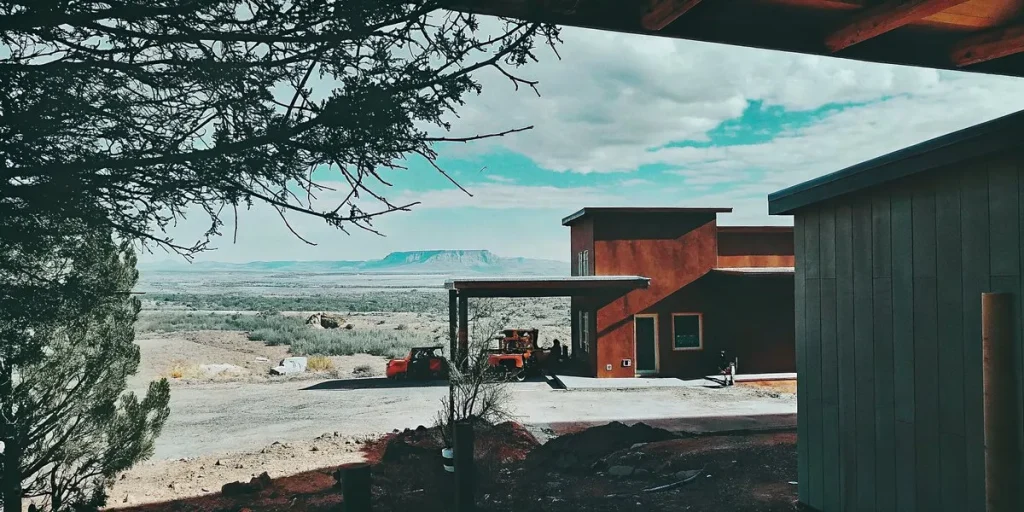
Building your first custom home is less about choosing finishes and more about making a series of connected decisions in the right order. Your lot, daily routines, design priorities, financing, and construction plan all influence one another, so a clear process matters from the beginning.
What to know before building a custom home is that the project begins well before construction: define how you want to live. Evaluate the land, establish financing, and choose a builder who can guide design and construction as one coordinated process.
For buyers in Grand Junction and throughout Western Colorado, custom does not have to mean navigating every detail alone. Integrity Homes offers semi-custom and full custom options, including pre-designed plans that can be personalized, supported by a structured five-step building process and a client portal for project communication. First, it helps to understand how building differs from purchasing a completed resale home.
How Is Custom Home Building Different from Buying a Resale Home?
The biggest difference is who makes the important decisions. With a resale or spec home, you choose from a completed house and inherit many choices that were made before you arrived. With a custom home, the design begins with the way you want to live, then the plans, materials, and construction are shaped around that vision. Both paths can be the right fit, depending on your timeline, desired involvement, and priorities.
Design freedom and personalization
A spec home is typically built without a specific buyer in mind. Its floor plan, finishes, upgrades, and features are selected for broad market appeal. In a resale home, those choices belong to a previous owner, and changing them may require renovation after closing. You may love the location but need to adapt to a kitchen layout, storage plan, lighting scheme, or room arrangement that was designed for someone else.
| Factor | Custom Home | Resale / Spec Home |
|---|---|---|
| Design control | You choose every detail from layout to finishes | Previous owner or builder made the choices |
| Move-in timeline | 12-24 months (design + construction) | Weeks (already built or near-complete) |
| Cost predictability | Known at signing; changes via work orders | Fixed purchase price; renovation may add cost |
| Builder relationship | Ongoing partner throughout the process | Transaction-focused; less ongoing collaboration |
| End result | Built around your lifestyle and priorities | Adapted to what is available on the market |
Custom building gives you a more direct connection between your plans and your daily life. You can consider how your household uses the kitchen, where guests gather, how much natural light you prefer, and which spaces need to serve more than one purpose. Finish selections also become part of the design process rather than a list of compromises made after purchase. That does not mean every decision must be made alone. The right builder and design team help you evaluate options, coordinate details, and keep the home cohesive from the exterior through the smallest interior finishes.
For a step-by-step look at the planning, design, and construction journey, see how the Integrity Homes building process works.
Timeline and process differences
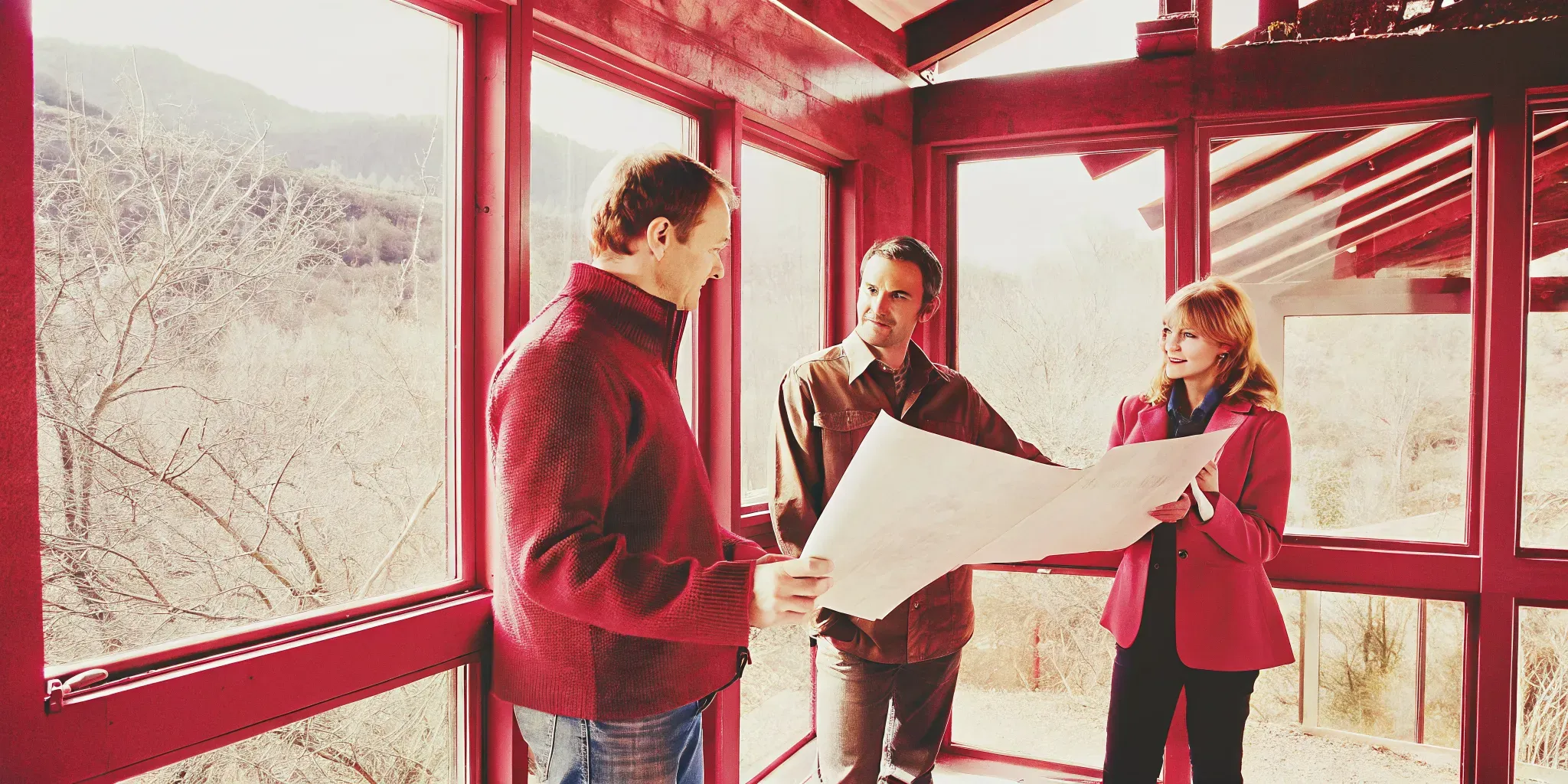
A resale or completed spec home can offer a faster move-in because the house is already finished or close to completion. Custom construction takes longer because the process includes defining the scope, developing the design, selecting finishes, preparing the site, securing approvals, and building the home. One homeowner’s account described six months of design and planning followed by more than a year of construction. Illustrating why a custom timeline should be planned thoughtfully rather than treated like a standard purchase.
The tradeoff is greater alignment with what you actually want. Instead of searching through available homes and adjusting your expectations, you make decisions in sequence with a builder who can explain how each choice affects the finished home. Integrity Homes helps bridge the gap between a production-style purchase and a fully personalized build, providing structure while preserving meaningful design control.
As you compare your options, review the advantages of building new versus buying existing to see how a new home may support your long-term plans.
What Decisions Do You Make Before Breaking Ground?
Before excavation begins, you are turning a broad vision into a buildable plan. The most important early decisions involve how the project will be financed. Whether the land can support the home you want, and how the layout should serve your daily life.
Set the financial framework early
Start by establishing a realistic project range and speaking with a lender before finalizing plans or land. In Western Colorado, the cost of custom construction depends on the home’s size, specifications, site conditions, and level of finish. Ask your builder for a current estimate for your specific home.
Construction loans differ from traditional mortgages. A construction loan is typically structured around the building process, with funds released in stages as work reaches agreed milestones. Ask prospective lenders how they handle draws, interest during construction, down payments, appraisal requirements, and the transition to a permanent mortgage. Bringing your builder and lender into the conversation early helps align the design, site plan, and financing strategy before commitments are made.
Evaluate the land, not just the view
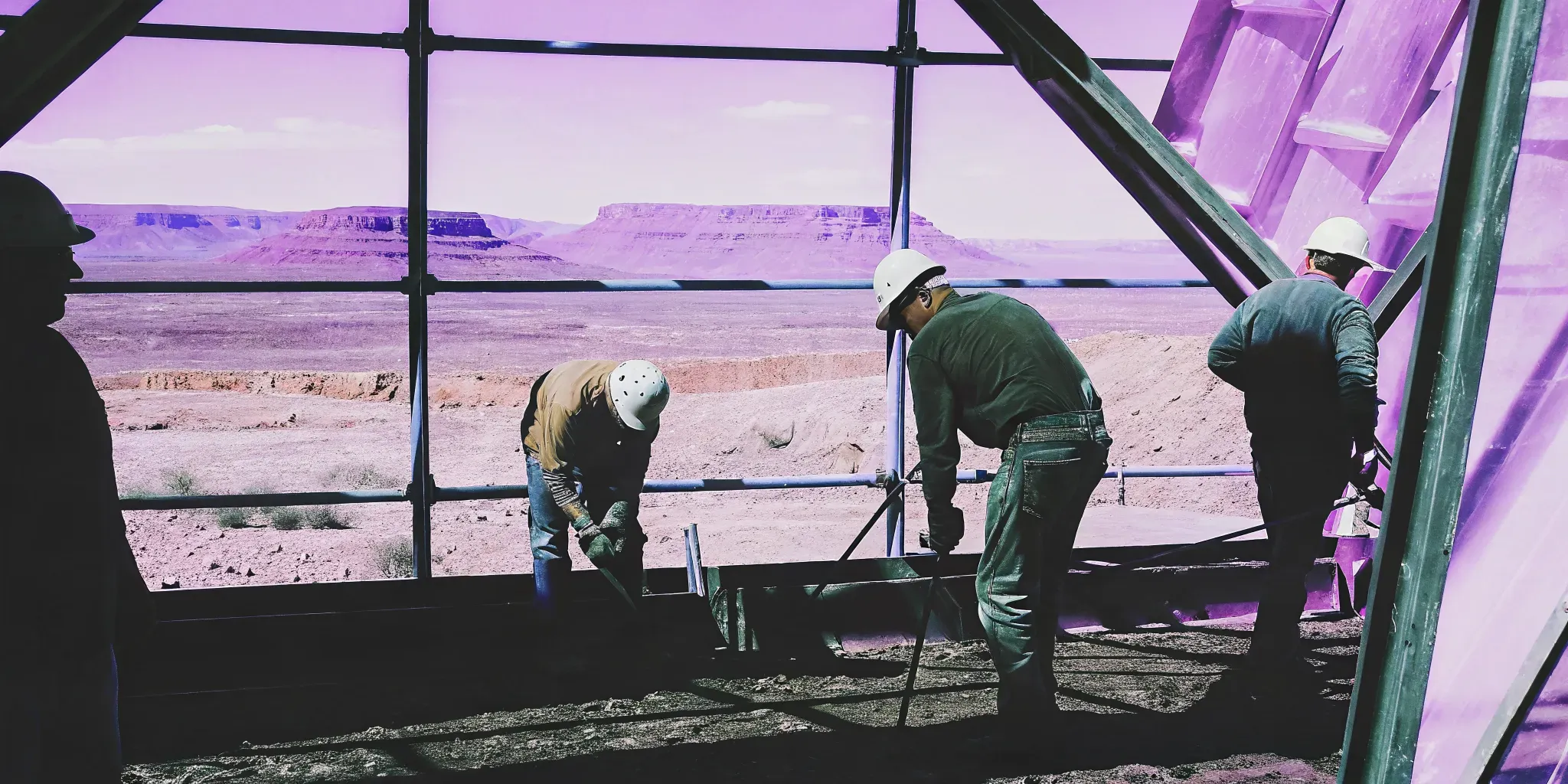
A promising lot needs more than a desirable address. Review slope, drainage, soil conditions, access, setbacks, easements, and the likely cost of preparing the site. Confirm that water, electricity, sewer, or septic service can be connected or installed, and verify the parcel’s boundaries and ownership before purchasing. Local planning requirements and covenants may also influence the home’s placement, exterior, or size.
Sitework can shape both the schedule and the overall scope. Integrity Homes works with High Grade Concrete and Excavation, its in-house excavation team, to evaluate and prepare lots as part of a coordinated building process. That connection helps the team account for grading, excavation, foundations, and utility needs while the home is still being designed. If you are considering building a custom home on your own lot, site evaluation should happen before the floor plan is treated as final.
Choose a layout around the way you live
Make a priority list before selecting or modifying a floor plan. Consider how you use the kitchen, where guests gather, how much storage you need, whether bedrooms should be separated, and how the home may support changes over time. A thoughtful layout can matter more than adding square footage that does not serve your routines.
Use our Home Design Quiz to clarify your layout and design preferences before a consultation. It can help you identify the spaces, flow, and features worth discussing with the design team. You can also review how to choose a floor plan that fits your lifestyle as you compare options.
How Do Budgets and Change Orders Work?
A custom home budget is more than a construction total. It is a working plan that accounts for the land, site conditions, design, permits, construction, selections, and the decisions that make the home yours. Establishing that plan early, then updating it clearly as the project develops, is one of the most important things to know before building a custom home.
How construction loans fund the build
Many custom builds use construction financing rather than a traditional mortgage on a completed home. The lender typically releases funds in staged draw payments as defined milestones are completed. That means the builder, lender, and homeowner need to share accurate progress updates and documentation throughout the build. A project manager helps coordinate those moving parts and keeps the work organized around the schedule and approved budget.
What belongs in a realistic budget?
A useful budget separates land acquisition and closing costs from construction, site preparation, architectural and design services, permits, utility connections, appliances, fixtures, and other selections. In Western Colorado, lot conditions can influence excavation, foundation work, and utility planning, so those questions should be addressed before the plans are finalized. Sustainable materials and energy-efficient systems may also support lower long-term maintenance and utility costs, making them part of a broader value conversation rather than an afterthought.
Construction costs depend on the home’s design, materials, site, and level of finish. A separate contingency of roughly 10% to 20% gives the plan room to respond to conditions that cannot be fully known before excavation or construction begins. Land-related expenses should be included in the overall financial picture, not treated as separate from the project.
Why change orders happen
A change order documents an approved adjustment to the plans, materials, scope, or schedule after the original agreement is established. It may arise when a homeowner changes a finish, revises a layout, adds work after seeing the site, or when an unforeseen condition requires a different solution. The right process is straightforward: identify the change, explain its effect on cost and timing, secure written approval, and update the project records before the work proceeds.
Integrity Homes uses a transparent process to keep those decisions visible instead of allowing surprises to accumulate. Clear selections, regular communication, builder references, and active project management create a more predictable path from design through completion. The goal is not to eliminate every decision, but to make each one understandable and intentional.
What Does the Builder Relationship Look Like Day-to-Day?
A well-managed custom home project should feel collaborative, organized, and personal. Instead of coordinating separate companies on your own, a design-build team carries the project from early concepts through construction. That continuity gives decisions a clear home and helps keep the design, schedule, selections, and field work moving together.
One team from design through construction
At Integrity Homes, the five-step process creates a defined path from the first conversation to the finished home. Your builder, architect, and design resources can coordinate around the same plan rather than passing information between disconnected teams. The architect helps translate your goals into detailed plans that support local code requirements, while construction professionals bring those plans to life and coordinate required inspections and certifications.
That professional coordination matters even to people with building experience. A custom home involves technical decisions, trade scheduling, documentation, and changing site conditions. Having the right experts involved lets you focus on how the home should function for your life. Custom building is ultimately about creating spaces tailored to your routines, priorities, and long-term plans.
Clear updates without constant guesswork
Day-to-day communication is supported through the Buildertrend client portal, where homeowners can follow project updates, review information, and stay connected to the work. Regular weekly check-ins provide a dependable time to discuss progress, upcoming decisions, questions, and anything that needs your attention. You should not have to wonder who has the latest answer or wait until a small question becomes a larger issue.
A design partner who understands the whole home
Charlotte Balerio brings in-house interior design expertise to the process, helping connect architectural choices with finishes, flow, lighting, storage, and the feeling you want each room to create. That guidance is especially valuable for first-time buyers who may understand what they like but need help turning preferences into coordinated decisions.
The result is a single, steady point of contact backed by a coordinated team. To see how each stage fits together, review Integrity Homes’ five-step building process.
What First-Time Buyers Need to Know Before Building a Custom Home
The most successful first-time buyers do not try to anticipate every decision at once. They create a clear plan, ask questions early, and give each stage enough time to be completed well. This practical checklist covers five common hurdles and the habits that help you avoid them.
Build a realistic timeline from the beginning
Custom building takes longer than many first-time buyers expect because the work begins well before construction. Design and planning alone can take months. One documented custom-home experience included roughly six months of design, additional time waiting for plan review, and more than a year of construction. Your schedule may differ in Western Colorado, but the principle is consistent: allow time for design decisions, approvals, site preparation, construction, and final details. If you are working toward a move, sale, lease ending, or other fixed date, discuss the sequence with your builder early and build in reasonable flexibility.
Complete land due diligence before committing
A beautiful lot is only a strong building site after its practical conditions are understood. Before purchasing or finalizing plans, investigate soil and ground conditions, access to water and electricity, wastewater requirements, legal boundaries, easements, and local permit requirements. Ground surveys can identify subsurface issues before construction begins. Utility planning and a review of planning permissions can also reveal work that affects the design or site budget. In Mesa County and surrounding communities, ask your builder which site evaluations should happen first and who is responsible for coordinating them.
Write your priorities before meeting the builder
Bring more than a collection of inspirational photos. Make a short priority list that separates must-haves from preferences. Consider how you want to live in the home, which rooms need to work hardest. How you expect the household to change, and which features matter most to daily comfort. A clear list gives the design conversation direction and helps your team make thoughtful tradeoffs when every option cannot be included. It also makes it easier to evaluate floor plans and explain what you want the home to do, not just how you want it to look.
Visit the builder’s past projects
Photos are useful, but visiting completed homes gives you a better sense of craftsmanship, proportion, materials, and how spaces feel in person. Ask to see work that reflects the scale and design approach you are considering. If possible, speak with past clients about communication, organization, and how the builder handled questions during the process. Checking references and previous work is a practical step toward choosing a team whose experience matches your goals.
Make finish selections early enough to think clearly
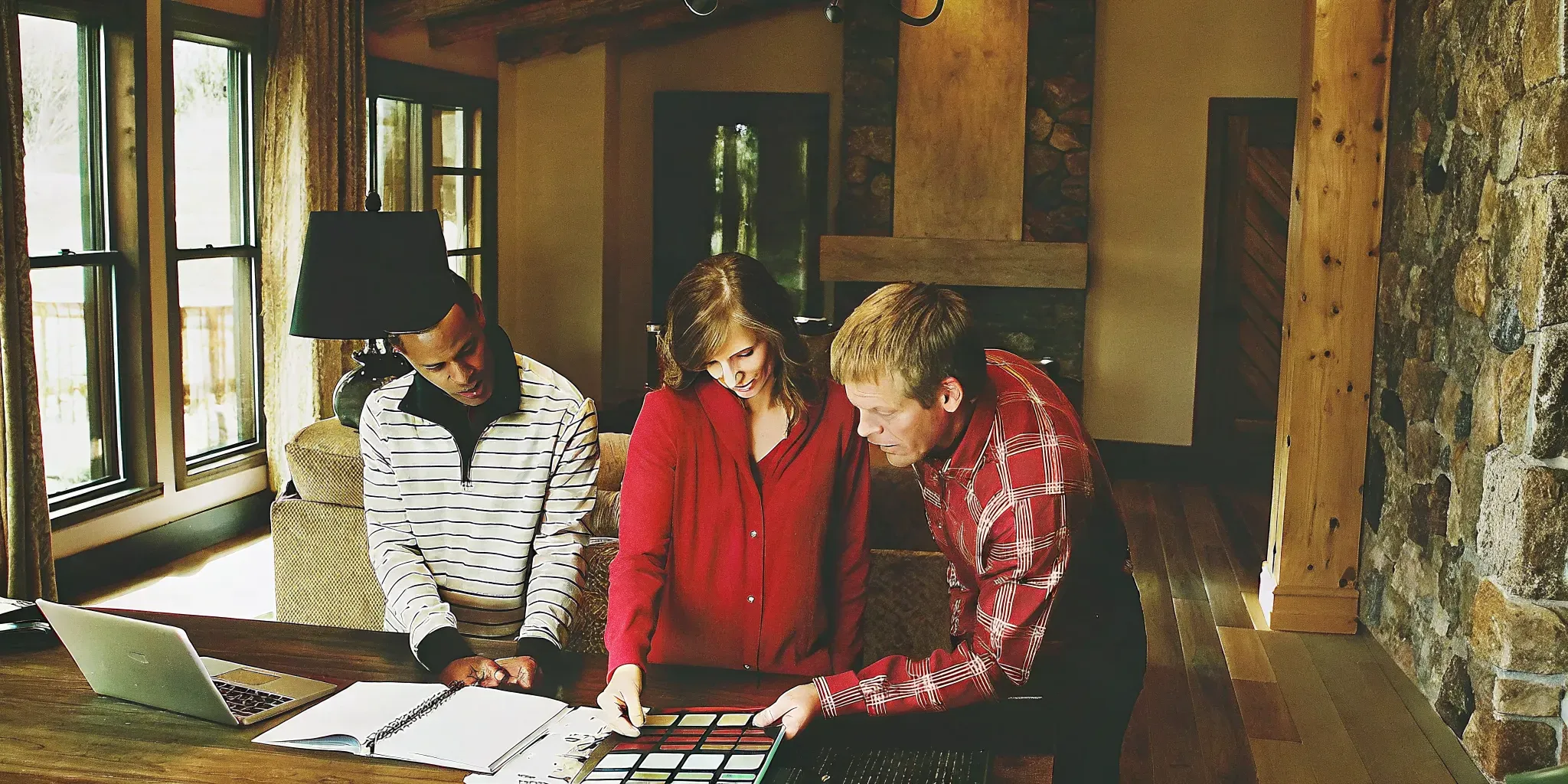
Lighting, flooring, cabinets, countertops, tile, plumbing fixtures, hardware, and paint all influence one another. Leaving selections until the last possible moment can turn meaningful design choices into rushed decisions and may contribute to change orders. Start a finish plan early, review options together, and confirm how each choice affects adjacent rooms and construction timing. Buyers with less design experience may default to one finish throughout simply because it feels easier. A structured process helps you create a cohesive home while preserving room for personal expression. For a broader roadmap, review Integrity Homes’ five-step building process.
Frequently Asked Questions
What is the first step to building a custom home?
Start by clarifying how you want to live, then establish a realistic project plan for your land, design, financing, and construction goals. A conversation with an experienced builder can help you understand the sequence of decisions before you commit to a floor plan or property.
How much does it cost to build a custom home?
There is no single price because the total depends on the lot, home size, structure, finishes, sitework, and level of customization. Your builder should develop a detailed estimate specific to your project before construction begins. Our guide to what it costs to build a custom home in Grand Junction explains what drives that estimate.
How do I choose the right custom home builder?
Look for a builder with experience in the type of home and site you are considering, a clear process, dependable communication, and completed projects you can review. Ask how the builder coordinates design, selections, scheduling, allowances, and changes so you understand who guides each decision.
How long does it take to build a custom home?
Timing varies with design complexity, permitting, site conditions, material selections, and construction progress. Plan for the overall project to take substantially longer than a resale purchase, and ask for a phase-by-phase schedule that separates design, approvals, site preparation, and construction. Early decisions help keep the schedule predictable.
Ready to Plan Your Custom Home?
A conversation early in the process can help you connect your ideas, priorities, and property goals before design decisions take shape. Call (970) 255-6520 or schedule your free consultation online to discuss your custom home vision with the Integrity Homes team and identify the right next step for your project.