
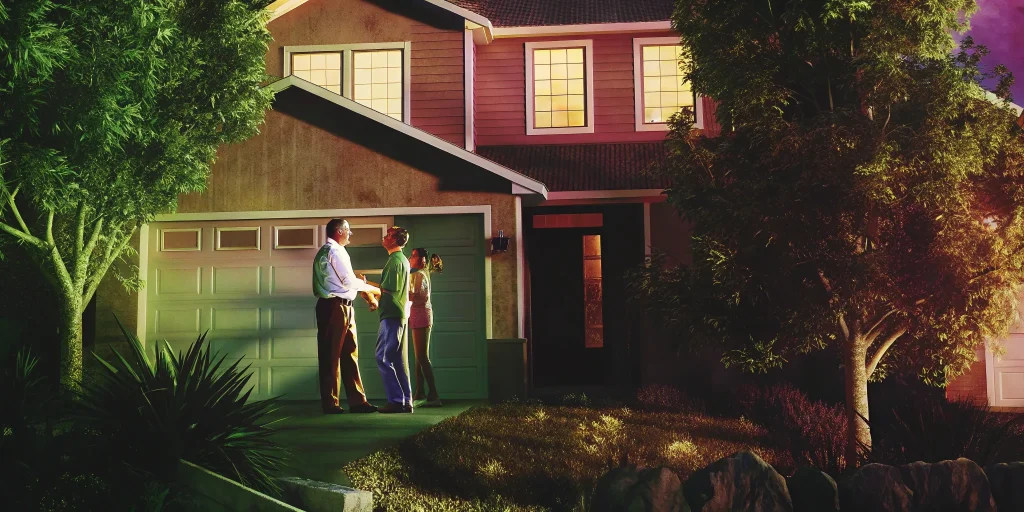
When you decide to build a home, you’re preparing to enter into a long-term relationship. For the next several months, you’ll be in constant communication with your builder, trusting them with your budget, your timeline, and your vision. This partnership requires more than just construction expertise; it demands clear communication, mutual respect, and a shared commitment to quality. The right new home general contractor acts as your advocate and guide, ensuring you feel heard and informed every step of the way. This article will show you how to find a true partner for your project—someone you can trust to bring your dream home to life.
Key Takeaways
- Look Beyond the Portfolio for True Quality: A beautiful photo gallery is just the start. Ensure a builder is the right fit by verifying their license and insurance, speaking directly with past clients about their experience, and confirming they have specific expertise in new home construction.
- Establish a Communication Plan for a Smoother Build: A successful project depends on clear, consistent dialogue. Before signing a contract, agree on a schedule for updates, clarify the process for asking questions, and understand how changes will be handled to ensure you always feel informed and in control.
- Demand Full Budget and Contract Transparency: The lowest bid is rarely the best value. A trustworthy builder provides a detailed contract that clearly explains all costs, the payment schedule, and the scope of work, protecting you from unexpected expenses and setting clear expectations from day one.
What Is a General Contractor?
Think of a general contractor, or GC, as the project manager for your new home. They are the single point of contact responsible for overseeing the entire construction project, from breaking ground to handing you the keys. Building a home involves dozens of moving parts, specialized trades, and complex schedules. A general contractor is the professional who orchestrates it all, ensuring every detail aligns with your vision, budget, and timeline. They are the experts who translate your dream home from a set of blueprints into a physical reality.
Their primary role is to take the stress of day-to-day construction management off your shoulders. Instead of you having to find, hire, and coordinate with plumbers, electricians, roofers, and painters, the GC handles it all. They are the experts in charge of making sure the project runs smoothly, stays on budget, and meets all safety and quality standards. A great GC follows a clear and organized building process to transform architectural plans into a beautiful, well-built home you’ll love for years to come. They are your advocate on the job site, ensuring every decision made serves your best interest.
What a General Contractor Does for Your New Home
When you build a new home, your general contractor is your partner in bringing your dream to life. They manage every phase of the construction. This includes securing the necessary permits, hiring and scheduling all the subcontractors, and ordering materials. They are on-site to supervise the work, solve problems as they arise, and ensure the craftsmanship meets high standards. Your GC also manages the budget, tracks expenses, and keeps you updated on progress. Essentially, they handle all the complex logistics so you can focus on the exciting parts, like watching your home take shape.
General Contractors vs. Specialty Contractors
It’s helpful to understand the difference between a general contractor and a specialty contractor. A general contractor oversees the entire project, while specialty contractors (often called subcontractors) are experts in a specific trade. Think of plumbers, electricians, HVAC technicians, roofers, and painters. The GC is like the head coach of a team, hiring the best players for each position and making sure they work together seamlessly. They have a network of trusted professionals they can call on, which saves you the time and risk of finding qualified tradespeople on your own. This structure ensures every part of your home is built by a specialist.
How to Choose the Right General Contractor
Choosing a general contractor is one of the most significant decisions you'll make in your home-building journey. This is the person or team you’ll partner with for months, trusting them to bring your vision to life, manage a complex schedule, and handle a substantial budget. The right contractor acts as your guide and advocate, making the process feel collaborative and clear. To make the right choice, focus on their specific experience, professional credentials, and communication style.
Look for New Construction Experience
Building a home from the ground up is entirely different from renovating a kitchen. You need a team with deep experience in new construction. A great builder brings together expertise in architecture, design, and the actual construction work needed to execute your vision. They understand the intricacies of site preparation, foundation work, framing, and integrating complex systems into a new structure. When you review a contractor’s portfolio, look for a consistent track record of building homes similar in style and quality to what you envision. This specialized experience ensures they can anticipate challenges unique to new builds and manage the project smoothly from a vacant lot to a finished home.
Verify Licenses, Insurance, and Credentials
This step is non-negotiable. Before you sign any contracts, you must verify that your general contractor is properly licensed and insured. Some homeowners might overlook this, but it’s your primary layer of protection. A valid license proves they meet state and local requirements for competency and professionalism. More importantly, adequate insurance coverage, including liability and workers' compensation, protects you from financial risk if an accident happens on your property. Don't just take their word for it—ask for copies of their license and insurance certificates. A professional and trustworthy builder will have this information readily available and will be happy to share their credentials with you.
Find a Match for Your Communication Style
Building a home is a long-term relationship, and like any good relationship, it thrives on clear communication. You’ll be talking with your contractor constantly about progress, decisions, and budget updates, so it’s essential to find someone whose communication style meshes with yours. Do they listen to your ideas? Are they responsive to your questions? During the interview process, pay attention to how they explain their methods and timelines. A great contractor will outline a clear communication process from the start, whether it’s through regular site meetings, phone calls, or a client portal. This ensures you’re always informed and confident in how your project is progressing.
How to Read Contractor Reviews and Testimonials
Once you have a shortlist of potential builders, it's time to dig into their track record. Reviews, testimonials, and references are your best tools for understanding what it’s really like to work with a general contractor. Reading between the lines of what past clients say will give you a clear picture of a builder’s communication style, reliability, and craftsmanship.
Spotting Red Flags in Online Reviews
Start your research by analyzing a contractor's reviews on sites like Google. Look for patterns, not just individual comments. A single negative review isn’t a deal-breaker, especially if the builder responded professionally. However, consistent complaints about poor communication, missed deadlines, or budget issues are serious red flags. Pay attention to the details. Do clients describe a smooth, organized process, or do they sound stressed and out of the loop? Genuine reviews often provide specific examples that give you a real sense of the contractor’s strengths and weaknesses.
Key Questions to Ask Past Clients
Speaking directly with a builder’s past clients is one of the most valuable steps you can take. When you call references, go beyond asking if they were happy with the final product. You need to understand the entire experience.
Ask specific questions like:
- How did the contractor handle unexpected challenges or changes?
- Was communication clear and consistent throughout the project?
- Did the project stay on schedule and within the original budget?
- Were you satisfied with the quality of the work from their subcontractors?
- Would you hire them again for another project?
Their answers reveal how a builder operates under pressure and manages the client relationship.
How to Vet References and Portfolios
A builder’s portfolio gives you a visual sense of their work, but it’s only one piece of the puzzle. As you browse their photo galleries, check for consistent quality and a style that aligns with your vision. When you speak with references, confirm that the project you discussed is the one you saw in the portfolio. Finally, always verify a contractor's credentials. Ask for proof of their general contractor license and insurance coverage. A trustworthy builder will have this information ready. This step isn’t just a formality—it protects you from potential liability.
Understanding General Contractor Costs
Talking about money can feel like the most stressful part of building a home, but it doesn’t have to be. When you understand how a general contractor calculates their fees, you can feel confident about your budget and your decisions. A trustworthy contractor will be upfront about their pricing structure and what’s included in their quote. The goal is to find a partner who provides a clear, comprehensive estimate that aligns with your vision and financial plan, ensuring there are no surprises along the way.
Think of the contractor’s cost as more than just a number; it represents the management, expertise, and coordination required to bring your dream home to life. It covers everything from scheduling plumbers and electricians to ordering materials and ensuring every detail meets building codes. By breaking down the common fee structures and the factors that influence pricing, you’ll be better equipped to have productive conversations with potential builders and make an informed choice for your project.
Common Fee Structures and Payment Schedules
When you receive a proposal from a general contractor, you’ll likely see one of two main pricing models. The first is a fixed-price contract, also called a stipulated sum agreement. With this model, the contractor gives you a single, upfront price for the entire project. This is great for budgeting because you know the total cost from the start, assuming no major changes are made. The other common approach is a cost-plus contract, where you agree to pay for the actual costs of labor and materials plus a fixed fee or percentage for the contractor’s overhead and profit. This model offers more transparency into the specific expenses. Regardless of the structure, payments are typically made on a schedule tied to construction milestones, like completing the foundation or framing, rather than all at once.
What Influences Contractor Pricing?
A general contractor’s price includes the direct costs of building your home—lumber, concrete, windows, and labor—plus a markup to cover their business operations and expertise. This markup, often between 10% and 20%, is standard in the industry and pays for project management, insurance, office staff, and the contractor’s profit. It’s the fee for orchestrating the entire complex process of building your home. Other factors that can influence the final price include the complexity of your home’s design, the quality of finishes you choose, and even the specific location of your lot. Labor costs can also vary based on the availability of skilled tradespeople in the area. A professional contractor will factor all these variables into their initial estimate to give you the most accurate picture possible.
How to Plan for Total Budget Transparency
True budget transparency starts with clear communication. A great contractor will provide a detailed breakdown of costs so you can see exactly where your money is going. Don’t hesitate to ask about specific line items or how they handle potential overages. It’s also important to clarify any additional fees, such as charges for design consultations or significant project management tasks, before signing a contract. At Integrity Homes, we believe you should feel in control of your budget throughout the entire build. That’s why Our Process includes access to an online client portal with real-time budget updates, photos, and schedules. This open-book approach ensures you always know the financial status of your project, allowing you to make decisions with confidence and peace of mind.
Essential Questions to Ask a General Contractor
Once you’ve narrowed down your list of potential builders, it’s time to start the interview process. This is your chance to understand their process, communication style, and how they handle the inevitable ups and downs of a new home build. Think of it less like an interrogation and more like a conversation to see if you’re a good fit for a long-term partnership. Coming prepared with the right questions will help you compare builders and find a team you can truly trust to bring your vision to life. A great contractor will welcome your questions and provide clear, confident answers.
Timelines and Scheduling
Understanding how a contractor manages the project schedule is crucial for setting realistic expectations. A well-thought-out timeline is a sign of an experienced and organized builder. Ask how they create the schedule and what key milestones you should watch for. You’ll also want to know how they handle things outside of their control, like weather delays or supply chain issues. A great question to ask is, "How often can we expect updates, and will we have scheduled walkthroughs to see the progress?" This ensures you stay informed and can review completed work as the project moves forward, preventing any surprises down the line.
Subcontractors and Quality Control
A general contractor is only as good as the team of trade partners they bring to the job site. The quality of your home depends on the electricians, plumbers, framers, and painters who work on it. Ask potential contractors how they vet and select their subcontractors. Do they have long-standing relationships with them? Are they all licensed and insured? It’s also important to understand their quality control process. Find out who will be supervising the work on-site each day and how they ensure every detail meets their standards. Effective communication with the entire team is what keeps a project on track and ensures the final product is something everyone is proud of.
The Change Order Process
Even with the most detailed planning, you might decide you want to make a change mid-project—like adding a window or moving a wall. This is handled through a "change order," and every builder has a different process. Ask them to walk you through how they manage these requests. How are the additional costs and any impact on the timeline communicated to you? What does the approval process look like? A transparent and well-defined change order process prevents misunderstandings and budget overruns. Knowing this upfront helps you understand the implications of any changes you might consider, ensuring you can make informed decisions without derailing the project.
Contract Terms and Warranty Details
The contract is the most important document you’ll sign, as it outlines the entire scope of the project, the payment schedule, and the responsibilities of both you and the builder. Before you sign, make sure you understand everything. Ask what type of contract they use and what, specifically, is included in the price. Just as important is the warranty. You need to know what’s covered after you move in. Ask about the length of the warranty and what it includes for workmanship and materials. Having a clear agreement signed before any work begins is essential, as it protects everyone involved and sets the foundation for a successful build.
How to Clearly Communicate Your Vision
Building a new home is a partnership, and like any good partnership, it thrives on clear communication. You have a dream in your head, and your general contractor has the skills to bring it to life. The magic happens when those two things connect perfectly. A great builder will have a process to make this easy, but you play a huge role, too. By preparing your ideas and setting clear expectations from day one, you create a smoother, more enjoyable journey and ensure the final home is exactly what you envisioned. It’s all about creating a shared understanding and keeping the conversation flowing from foundation to final walkthrough. This isn't about knowing construction jargon or having a perfect blueprint from the start. It's about being able to articulate what you want your home to feel like and how you want it to function for your family. When you can share that vision effectively, your builder can translate it into architectural plans, material selections, and a final product that truly feels like you. The following steps will help you organize your thoughts and establish a strong communication framework with your contractor, setting your project up for success before the first shovel ever hits the ground.
Create a Detailed Project Brief
Before you meet with a builder, take some time to get your ideas out of your head and onto paper. This isn't a formal report, but more of a "vision board" for your home. Sit down with your partner or family and discuss what you truly want. Start by collecting images of homes and rooms you love—our photo galleries are a great place to find inspiration. Make a list of your "must-haves" versus your "nice-to-haves." Think about your lifestyle. Do you need a home office? Love to entertain outdoors? Having this detailed brief helps you present a unified vision and gives your contractor a clear starting point for design and budgeting.
Establish Clear Goals from the Start
The first few conversations with your contractor are the perfect time to set the ground rules for your project. This goes beyond just the design; it’s about how you’ll work together. Discuss your expectations for communication. Do you prefer emails, phone calls, or weekly meetings? Talk about the project schedule and who will be on-site and when. It’s also the time to be upfront about your budget. A transparent builder will welcome this conversation and explain their own building process for keeping you informed. Establishing these goals early on builds a foundation of trust and respect, preventing misunderstandings down the road.
Set a Regular Communication Schedule
Once construction begins, you won’t want to be left in the dark. A great contractor will have a system for keeping you updated. Ask about setting up a regular communication schedule, whether it's a weekly check-in call or periodic on-site walkthroughs. These meetings aren't for micromanaging; they’re for collaboration. They give you a chance to see the progress, ask questions, and make timely decisions. At Integrity Homes, we use a dedicated online client portal where you can see real-time updates, view photos, and communicate with our team anytime. This consistent contact ensures you feel connected to your project and that we stay perfectly aligned with your vision.
Common Mistakes to Avoid When Hiring a Contractor
Choosing a general contractor is one of the most significant decisions you'll make when building your new home. This partnership will shape your experience for months to come, so it’s important to get it right. By learning from the common missteps others have made, you can move forward with confidence and find a builder who will bring your vision to life smoothly and successfully.
Don't Choose on Price Alone
While your budget is a top priority, selecting a contractor based on the lowest bid can be a costly mistake. An unusually low estimate might signal subpar materials, inexperienced labor, or a builder who has misunderstood the scope of your project. A vague estimate is not the same as a detailed, fixed-price proposal. A quality contractor will provide a comprehensive bid that clearly outlines all costs, ensuring there are no surprises down the road. Focus on the overall value, which includes the builder’s experience, the quality of their work, and the transparency of their communication. A transparent building process is worth much more than a low initial quote.
Never Skip the Vetting Process
It’s easy to get excited and rush into a decision, but skipping your due diligence is a risk you can’t afford to take. Before signing any contracts, take the time to thoroughly vet any potential contractor. This means verifying that they have the proper licensing and insurance, which protects you from liability. Ask for a list of recent references and actually call them. Look through their portfolio of past projects to see if their style and quality align with your expectations. A reputable builder will be happy to provide this information and will be proud to share our team's credentials and past work. This step is your best defense against hiring an unqualified or unreliable contractor.
Avoid Vague Contract Details
A handshake and a promise aren't enough when building a home. Your contract is the single most important document in your project, and it needs to be incredibly detailed. A common mistake is signing a contract that lacks specifics. Your agreement should clearly define the full scope of work, list the exact materials and products to be used, and include a firm timeline with key milestones. It should also lay out a clear payment schedule and detail the process for handling any changes or additions, known as change orders. A thorough contract protects both you and your builder by setting clear expectations from day one and preventing costly misunderstandings later.
Common Misconceptions About Hiring
Building a custom home is a collaborative effort, and it’s helpful to understand the roles everyone plays. One common misconception is that the general contractor handles every single detail without input. In reality, a successful project relies on clear and consistent communication between you and your builder. You are a key part of the team, and your timely decisions are essential to keeping the project on track. A great contractor will facilitate this partnership with tools like an online client portal where you can see progress, approve selections, and communicate easily. Understanding that this is a partnership helps manage expectations and leads to a much smoother, more enjoyable building experience.
What to Expect During the Home Building Process
Once you’ve chosen your general contractor, the journey of building your home begins. Knowing what’s ahead can make the entire experience smoother and more enjoyable. While every project is unique, the construction process generally follows three main phases: pre-construction, construction, and post-construction. A great contractor will guide you through each step, ensuring your vision comes to life exactly as you imagined. At Integrity Homes, we’ve refined our process to be as transparent and stress-free as possible, keeping you informed and involved from start to finish.
Pre-Construction: Planning and Permits
This is the foundational stage where your ideas take shape. Before you even meet with a builder, it’s helpful to outline your vision, needs, and wants with your family. This ensures everyone is on the same page. During your initial meetings with your contractor, you’ll dive into the details of your design, finalize floor plans, and select materials and finishes. This is also when your builder handles the necessary permits and approvals from local authorities. Clear communication is key here. You’ll establish a budget, discuss timelines, and set expectations for how and when crews will be on-site, creating a solid plan for the work ahead.
During Construction: Key Phases and Milestones
With the plans and permits in place, it’s time to break ground. This phase is a sequence of exciting milestones, from pouring the foundation and framing the walls to installing plumbing, electrical, and insulation. You’ll see your home progress through drywall, painting, and the installation of flooring, cabinets, and fixtures. We recommend scheduling periodic walkthroughs with your project manager to review the work and ensure it aligns with your expectations. This is where a tool like our online client portal becomes invaluable, giving you real-time updates, photos, and a direct line of communication with our team so you’re never left wondering what’s happening on-site.
Post-Construction: The Final Walkthrough
As the major work wraps up, the focus shifts to finishing touches and quality checks. This phase includes final paint touch-ups, system checks, and a thorough site cleanup. The most important step is the final walkthrough, often called the blue tape walk. You and your contractor will go through the entire home, room by room, to identify any last-minute items that need attention. This is your opportunity to ask questions and confirm every detail meets your standards. Once you’re completely satisfied and sign off, you’ll receive your keys, warranty information, and all the documents for your beautiful new home.
Why Choose Integrity Homes as Your General Contractor
Choosing a general contractor is the single most important decision you'll make for your new home. You're not just hiring someone to manage a project; you're entrusting them with your vision, your budget, and your future. The right partner makes the journey feel exciting and collaborative, while the wrong one can create stress and uncertainty. At Integrity Homes, we’ve built our entire process around creating a positive, transparent, and seamless experience for every family we work with.
We believe building a custom home in Western Colorado should be one of the most rewarding experiences of your life. That’s why we’ve combined every aspect of the build under one roof. From the first architectural sketch to the final landscaping touch, our integrated team works together to bring your dream to life. This cohesive approach eliminates the communication gaps and scheduling conflicts that can happen when you’re juggling a separate designer, architect, and builder. With us, you have a single, dedicated team committed to your project’s success, ensuring a smooth and enjoyable journey from start to finish.
Our All-in-One Approach to Home Building
Imagine having your architect, interior designer, and construction manager all on the same team, collaborating daily on your home. That’s the reality with Integrity Homes. Our all-in-one model means we handle every detail of your build in-house. This integrated approach is the foundation of our process, designed to provide you with a single point of contact and a cohesive plan from day one.
Because our experts work together seamlessly, we can ensure your home’s design is both beautiful and buildable within your budget. There’s no risk of an architect designing something the builder can’t execute, or an interior designer making selections that clash with the construction timeline. Everyone is aligned with the same goal: creating your perfect home, on time and on budget.
Stay Informed with Our Client Portal
We believe that trust is built on transparency. One of the biggest sources of anxiety when building a home is not knowing what’s going on. That’s why we provide every client with access to our secure online portal. This is your personal, 24/7 window into your home’s construction. You can log in anytime to see real-time progress photos, check the project schedule, approve selections, and communicate directly with our team.
This tool keeps you connected and in control every step of the way. Have a question about the kitchen countertops? Send a message through the portal. Wondering what’s happening on-site this week? Check the daily logs and updated photos. Our commitment to clear, consistent communication ensures there are no surprises, giving you the peace of mind you deserve throughout the entire custom home building journey.
Related Articles
- General Contractors – New Home Construction in Colorado
- The Advantages of Using a Design-Build Firm for Your New Home Project
- Choosing the Right Floor Plan for Your New Home: Factors to Consider
- The Advantages of Building a New Home Over Buying an Existing Home
- New Home Construction Financing Guide
Frequently Asked Questions
Can I save money by acting as my own general contractor? While it might seem like managing the project yourself would cut costs, it often leads to expensive mistakes and delays. A professional general contractor brings a network of vetted subcontractors, established relationships with suppliers for better pricing, and deep expertise in scheduling and problem-solving. They manage the complex logistics, permits, and inspections that can easily overwhelm a homeowner. The value a great GC provides in efficiency, quality control, and stress reduction is almost always worth their fee.
What's the best way to compare bids from different contractors? When comparing proposals, it's important to look beyond the final number. A quality bid will be detailed and transparent, breaking down the costs for labor, materials, and allowances for finishes. Be wary of a quote that seems vague or significantly lower than others, as it may not include the same scope or quality of materials. The best comparison focuses on value, considering the contractor's experience, communication process, and the level of detail in their proposal.
How do you handle unexpected problems or delays during construction? Even with perfect planning, unexpected issues like weather or supply chain disruptions can happen. An experienced general contractor anticipates potential challenges and builds contingency time into the schedule. When a problem does arise, a great builder will communicate with you immediately, explain the situation clearly, and present you with practical solutions. Their job is to manage these issues efficiently to keep the project moving forward with minimal impact on your timeline and budget.
How much input will I have on the design and material selections once we start? You will have a significant amount of input. Building a custom home is a collaborative process, and your decisions are essential. A good contractor will establish a clear schedule for when selections—like flooring, countertops, and light fixtures—need to be made to keep the project on track. Our process is designed to guide you through these choices, and we use an online portal to make approvals simple and keep all communication organized in one place.
What does your warranty cover after I move in? A reputable builder will always stand behind their work with a comprehensive warranty. This is your assurance of quality craftsmanship long after you receive the keys. Typically, a new home warranty covers workmanship and materials for a specified period, as well as major structural components for a longer term. Before signing a contract, we will walk you through our specific warranty details so you know exactly what is covered and for how long.