
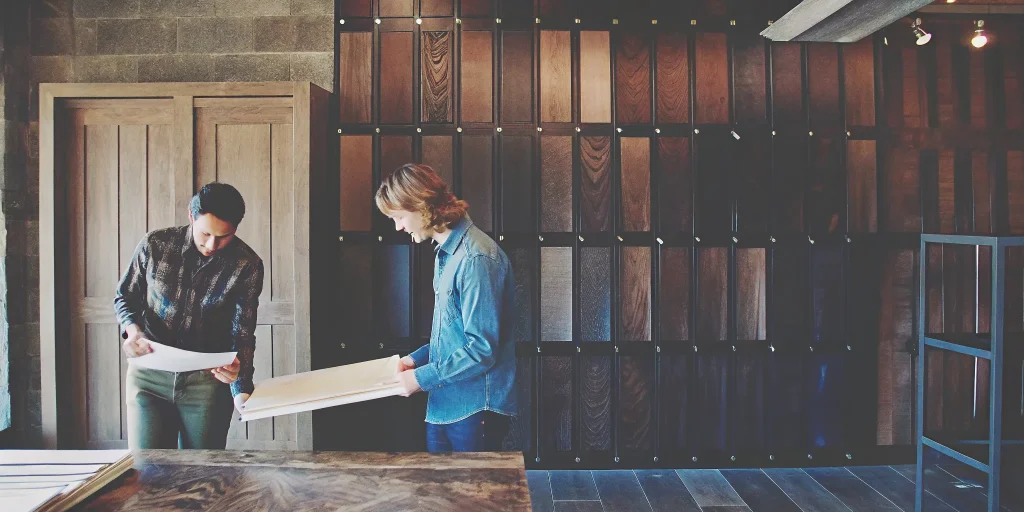
You have a vision for your dream home, but how do you translate that into a cohesive design plan? The key is clear communication and a great partnership with your design consultant. Your builder design center appointment is a collaborative session where your ideas and our expertise come together. It’s your chance to share your inspiration and lifestyle needs to create a home that is uniquely you. This guide offers practical advice on how to effectively communicate your vision, what questions to ask, and how to work with your designer to ensure the final result is everything you hoped for.
Key Takeaways
- Prepare for a productive meeting: Arrive at your appointment ready to make decisions by gathering inspiration photos, setting a clear budget, and knowing your must-have features in advance.
- Invest in long-term value: Focus your upgrade budget on foundational elements that are difficult to change later, such as flooring, kitchen layouts, and electrical plans, to improve your home’s daily function and future appeal.
- Communicate your vision effectively: Use visual aids like Pinterest boards and share details about your family’s lifestyle to help your design consultant guide you toward choices that are both beautiful and practical for your new home.
What Is a Design Center Appointment?
Think of the design center appointment as the moment your house truly starts to become your home. After you’ve finalized your floor plan, this is the dedicated time when you get to select all the interior and exterior details that reflect your personal style. It’s one of the most exciting steps in the entire home building process. During this meeting, you’ll be surrounded by samples of flooring, cabinets, countertops, paint colors, fixtures, and more.
This is your opportunity to see, touch, and compare the materials that will bring your vision to life. Instead of just imagining how a certain countertop will look with your chosen cabinets, you can place the samples side-by-side. The appointment is a hands-on, creative session guided by a design professional who helps you pull everything together into a cohesive look. It’s where all the ideas you’ve been saving on Pinterest and in design magazines start to take shape in a tangible way, ensuring your new home is a perfect reflection of you and your family.
The Goal of Your Design Meeting
The main goal of your design meeting is to personalize your home down to the last detail. While it’s an incredibly fun part of the journey, we know that making so many decisions can also feel a bit overwhelming. That’s why our design consultant is there to guide you every step of the way. They’ll help you sort through the options, offer expert advice on what works well together, and ensure your choices align with your budget and lifestyle. Think of them as your creative partner. They won’t tell you what to pick, but they will provide the information and support you need to make confident decisions. The final choices are always yours.
Where It Fits in the Building Process
Your design appointment happens at a key moment: after your home’s structural plans are complete but before construction begins. This timing is intentional. Finalizing your selections at this stage allows us to order all the necessary materials and create a detailed roadmap for our construction team, which helps keep your project on schedule. During your appointment, you’ll choose everything from big-ticket items like flooring and cabinet styles to smaller details like hardware and paint colors. Most builders schedule a few meetings, each lasting several hours, to ensure you have plenty of time to make your selections without feeling rushed.
What to Expect at Your Design Appointment
This is one of the most exciting parts of building a new home. Your design appointment is where the blueprint starts to feel like your home, filled with personal touches that reflect your style. It’s your chance to choose the colors, materials, and finishes that will bring your vision to life. While it can feel like there are a lot of decisions to make, the process is structured to be fun and inspiring, not overwhelming. We’ll walk you through every choice, ensuring you feel confident and happy with the direction your new home is taking.
A Look at the Agenda
To make the selection process manageable, we typically schedule a few focused meetings. Plan for your first appointment to last two to three hours; this is where we’ll cover the major design elements. We’ve found that breaking it down keeps things clear and prevents decision fatigue. Depending on your project, we might schedule a shorter follow-up meeting to review specific drawings or finalize any special-order items. This structured approach is a key part of our building process, designed to give every detail the attention it deserves without rushing you.
The Selections You’ll Make
Get ready to make your new house a home. During your appointment, you’ll select all the details that make a space uniquely yours. This includes everything from broad strokes like flooring, cabinet styles, and countertops to the finer points like paint colors, plumbing fixtures, and lighting. You’ll also decide on hardware, tile, and even exterior finishes that create curb appeal. It’s a hands-on experience where you can see and touch the materials. If you need some ideas beforehand, feel free to browse our photo galleries to see how different combinations come together in a finished home.
Partnering with Your Design Consultant
You won’t be making these decisions alone. You’ll have a dedicated design consultant by your side, acting as your personal guide. Think of them as your expert partner. They know the latest design trends, understand the durability of different materials, and are skilled at helping you find options that fit your style and budget. While they will offer professional advice and suggestions, the final decisions are always yours. Our goal is for you to feel supported by our in-house experts, who are here to help you create a home you’ll love for years to come.
How to Prepare for Your Design Appointment
Your design appointment is where the vision for your new home really starts to take shape. It’s an exciting step, but with so many choices, a little preparation makes all the difference. Thinking through your style, budget, and priorities ahead of time helps you walk in feeling confident and ready to collaborate with our design consultant. Here’s how you can get ready for this important milestone.
Gather Your Inspiration
Before meeting our design team, spend time collecting ideas that excite you. Create a Pinterest board with photos of rooms and design elements you love. Don’t just focus on the big picture; save images of specific things like kitchen islands or lighting fixtures. Looking through our own photo galleries is a great place to start. This visual library helps your designer understand your personal taste and the feeling you want to create in your home.
Set Your Budget Expectations
Knowing your numbers is key to a stress-free design experience. Before your appointment, have a clear understanding of your total budget and how much you’re comfortable allocating to upgrades. This empowers you to make choices that align with your financial goals. Our team is committed to a transparent building process and will help you understand the costs of different selections. Setting these expectations early lets you prioritize the features that matter most to you.
Know What’s Included vs. an Upgrade
To make informed decisions, it’s helpful to know which finishes and features come standard. Model homes often showcase a wide range of available upgrades, so don’t assume everything is included. Before your appointment, get a list of the standard features for your floor plan. This knowledge gives you a solid baseline to build from, helping you decide where to stick with included options and where to invest in an upgrade that personalizes your space.
Who and What to Bring Along
Think about who needs to be at the meeting; it’s best to have all key decision-makers present. You should also bring items that will help guide your selections. Have a favorite piece of furniture? Bring a photo or a fabric swatch. These details help your design consultant create a cohesive look that complements what you already own. A notebook is also great for jotting down ideas and decisions as you go.
Popular Upgrades Worth Considering
Walking into the design center is exciting, but it can also feel a bit overwhelming with so many choices. While the standard options in your new home are high-quality, some upgrades are absolutely worth considering. The key is to focus on items that are difficult, messy, or expensive to change after you’ve moved in.
Think about the foundational elements of your home. Structural changes, plumbing, and electrical work are much easier to handle when the walls are open. Investing in these areas during the build process not only saves you a future headache but also adds significant long-term value and enjoyment to your home. Let’s look at a few popular areas where a thoughtful upgrade can make all the difference.
Flooring and Finishes
Your floors, cabinets, and countertops are the backdrop of your daily life. Tearing out flooring or replacing an entire kitchen of cabinets is a major renovation project down the road. That’s why it’s smart to choose durable, timeless finishes you’ll love for years to come. Upgrading from standard carpet to hardwood or luxury vinyl plank in your main living areas can completely change the feel of your home. Similarly, selecting higher-quality kitchen cabinets or a durable quartz countertop adds both beauty and function where you need it most. You can explore our photo galleries to see how different finishes come together in a completed home.
Key Kitchen and Bathroom Features
The kitchen and primary bathroom are two of the most-used rooms in any home, so it makes sense to invest in features that improve your daily routine. In the kitchen, think about upgrading to soft-close drawers, adding a spacious island for meal prep and casual dining, or including pull-out shelves for easier organization. For your primary bathroom, creating a spa-like retreat with a walk-in, tiled shower or a double vanity can make your mornings much more pleasant. These functional upgrades are woven into our process to ensure they fit seamlessly into your home’s final design and enhance how you live in the space.
Lighting and Electrical Details
Good lighting and well-placed outlets are details you’ll appreciate every single day. It’s far easier and more cost-effective to add these during construction than to cut into drywall later. Consider adding recessed lighting in the kitchen and living room for bright, even light. Think about where you might want pendant lights, like over a kitchen island, or if you’d like ceiling fans pre-wired in the bedrooms. Don’t forget about outlets. Adding extra outlets in the garage for a workshop, on the patio for outdoor entertaining, or even in a closet for charging vacuums are small changes that offer huge convenience.
Smart Additions You Won’t Regret
Beyond typical tech, “smart” additions are simply practical choices that make your home work better for you. Think about installing USB charging ports in outlets by your bedside or in the kitchen command center. Another great idea is adding an outdoor hot-and-cold water spigot for washing pets or rinsing gear. We also focus on building energy-efficient homes, so ask about upgrades like enhanced insulation or high-performance windows. As you learn more about us, you’ll see our commitment to quality construction that saves you money on utility bills for years to come. These thoughtful additions are the details that turn a house into your perfect home.
How to Share Your Design Vision
Translating the dream home in your head into a real-life blueprint can feel like a big task. How do you make sure your designer sees what you see? The key is clear communication. You don’t need to be a design expert to articulate your vision. With a little preparation, you can effectively share your ideas and collaborate with your design consultant to create a home that truly reflects your style and supports your life. Think of your designer as your creative partner; these tips will help you give them the best material to work with, ensuring your final home is everything you imagined.
Use Visuals and Inspiration Boards
A picture really is worth a thousand words, especially when it comes to design. The best way to show your designer your style is by collecting images that resonate with you. Start a board on Pinterest or Houzz and save photos of rooms, color palettes, textures, and specific features you love. Don’t just pin kitchens and bathrooms; look for lighting fixtures, flooring, and even exterior details that catch your eye. This visual library helps your designer understand your aesthetic much faster than words alone. You can even find inspiration in our own photo galleries of past projects to see what’s possible.
Discuss Your Lifestyle and Needs
Your home should be more than just beautiful; it needs to function for your daily life. Before your appointment, think about how you and your family will actually use the space. Are you early risers who need a bright, sunny breakfast nook? Do you love to host big family dinners? Do you have pets that need a durable floor or a dedicated mudroom? Sharing details about your daily routines, hobbies, and future plans helps our design team recommend finishes and features that make sense for you. This conversation is a core part of our process because it ensures your home is tailored to your life, not just a trend.
Stay Open to Expert Recommendations
You’ve gathered your inspiration and know what you need, which is the perfect starting point. Now, it’s time to lean on the expertise of your design consultant. They have deep knowledge of materials, durability, and what works best for the Western Colorado climate. They might suggest a different countertop material that offers better longevity for a busy family or a flooring option that perfectly matches your vision and your budget. Remember, this is a partnership. The final decisions are always yours, but being open to suggestions from our team can introduce you to new possibilities and ensure your home is both beautiful and built to last.
How to Manage Your Budget
It’s easy to get swept up in the excitement of the design center, but having a clear financial plan is key to a stress-free experience. A little preparation goes a long way in making confident decisions that align with your goals. By thinking through your priorities ahead of time, you can walk into your appointment feeling prepared to choose the features that matter most to you and your family.
Prioritize Your Needs vs. Wants
Before your appointment, make three lists: “must-haves,” “nice-to-haves,” and “can-live-withouts.” Your must-haves are the non-negotiables, like durable flooring if you have pets or extra kitchen storage. The nice-to-haves might be that statement backsplash tile or upgraded hardware. This simple exercise gives you a clear roadmap for where to allocate your funds first. Also, consider which upgrades are easier to add later. Swapping out light fixtures is a simple future project, but changing your flooring or cabinetry is a major renovation you’ll want to get right from the start.
Understand the Cost of Upgrades
It helps to have a realistic picture of what upgrades can cost. Homebuyers often spend an additional 5% to 12% of their home’s base price on design selections, so it’s wise to plan for this. The biggest portion of that budget typically goes toward interior finishes like flooring, cabinets, and countertops. This isn’t meant to be daunting; it’s about planning effectively. Knowing where the costs are concentrated allows you to make informed trade-offs that honor both your vision and your budget, ensuring you invest in the areas that are most important to you.
Tips for Staying on Track
Once you have your priorities, decide on a firm number for your total upgrade spending. Focus your funds on upgrades that are difficult or costly to change later. These are often foundational elements like adding a fireplace, choosing high-quality wood floors, or selecting the kitchen cabinet layout you really want. Our transparent building process includes an online portal where you can see selections and pricing in real-time, making it simple to track your spending. Always communicate your budget clearly with your design consultant; they are your partner in bringing your vision to life responsibly.
Key Questions to Ask Your Designer
Your design appointment is a conversation, not a test. Coming prepared with a list of questions will help you make the most of your time with the design consultant and ensure you feel confident in your decisions. Asking thoughtful questions about timelines, maintenance, and future flexibility helps you understand the full picture of your choices, from the day you move in to years down the road. Think of your designer as your expert guide; they have the answers, you just need to know what to ask.
Timelines and Installation
Understanding the schedule is key to a smooth and stress-free experience. Ask your designer to walk you through the structure of your appointments so you know what to expect. Most builders schedule a few meetings, with the first one being the longest. You’ll want to clarify how many meetings you’ll have and what decisions need to be made at each one. A great starting point is to ask, “What does the timeline for our design selections look like from start to finish?”
It’s also smart to inquire about the installation schedule for specific items. Some materials, especially custom orders, might have longer lead times. Knowing this upfront helps you plan and understand how your choices fit into the overall construction process.
Material Care and Maintenance
As you select finishes, think about your day-to-day life. That beautiful, light-colored grout might look stunning in the showroom, but will you love it after a few muddy Western Colorado springs? Ask your designer about the durability and upkeep required for the materials you’re considering. For every surface, from flooring to countertops, ask, “What is the recommended care for this material?” and “Is this a good choice for a household with kids or pets?”
Choosing materials that fit your lifestyle will make your home more enjoyable. Your designer can point you toward options that offer the look you want with the practicality you need, ensuring your home is both beautiful and easy to live in. You can browse our photo galleries to see how different materials look in a finished home.
Future Design Flexibility
While it’s exciting to design your home for today, it’s also wise to think about tomorrow. Some features are much easier and more cost-effective to install during construction than to add later. On the other hand, some cosmetic details can easily be changed down the road as your style evolves. Ask your designer, “Which of these upgrades should I prioritize now, and which could I easily do myself later?”
Things like extra outlets, plumbing for a future wet bar, or structural wiring for home audio are best done during the build. In contrast, decorative light fixtures or cabinet hardware are simple weekend projects. Understanding this distinction helps you invest your budget in foundational design services that add long-term value and function.
Common Design Center Mistakes to Avoid
Your design appointment is one of the most exciting parts of our building process. It’s where your vision starts to take shape with colors, textures, and finishes. But it can also feel overwhelming, and it’s easy to make choices you might regret later. By knowing what to watch for, you can feel confident in every decision you make for your new home. Let’s walk through a few common pitfalls and how you can sidestep them.
Rushing Important Decisions
With so many beautiful options in front of you, it’s easy to feel pressured to decide quickly. A common mistake is rushing through selections without fully considering the long-term implications or costs. Some upgrades can be done more affordably after you move in, so it’s smart to think about what needs to be done now versus what can wait. For example, structural changes or electrical wiring must be handled during construction. However, things like specific decorative light fixtures or cabinet pulls can often be swapped out later as a weekend project, potentially saving you money.
Forgetting About Long-Term Function
It’s easy to get swept up in the latest design trends, but a beautiful home should also be a functional one. Before you commit to a finish, think about how you and your family actually live. That stunning, high-gloss flooring might look amazing, but will it stand up to kids and pets? That intricate backsplash tile might be gorgeous, but how easy is it to clean behind the stove? Always bring the conversation back to your daily life. The best design choices are the ones that make your everyday routines simpler and more enjoyable, not just prettier.
Ignoring Your Home’s Future Value
Building a home is a significant investment, and the upgrades you choose can impact its value down the road. While your home should absolutely reflect your personal style, it’s wise to balance personal taste with timeless appeal. Upgrades can add a substantial amount to your home’s final price, so prioritize features that add lasting value. Focus on things that are difficult or costly to change later, like quality flooring, kitchen cabinet layouts, and extra outlets. You can find plenty of inspiration for valuable, lasting designs in our photo galleries.
The Integrity Homes Design Experience
Building a home is a personal journey, and the design phase is where your unique story truly begins to take shape. We’ve refined our process to be collaborative, clear, and centered around you. Instead of a one-size-fits-all approach or a high-pressure sales environment, we provide a tailored experience that combines your vision with our expertise. From the moment you step into our design studio, our goal is to make you feel confident, heard, and inspired. We want you to enjoy creating a home that is a true reflection of who you are.
Personalizing your new home is one of the most exciting parts of building, but we understand it can feel like a lot of decisions at once. That’s why we focus on preparation and partnership. We’ll walk you through every selection, from the big picture down to the smallest detail, ensuring the final result is a perfect reflection of your lifestyle and taste. Our team is here to support you, answer your questions, and make sure the journey is as enjoyable as the destination. We believe that a stress-free design experience leads to a home you’ll love for years to come, and we’ve structured every step with that in mind.
A Personalized Consultation Process
Your design appointment is a dedicated, one-on-one session with our in-house design specialist. We take the time to get to know you, your family, and how you live. Do you love to entertain? Need a quiet home office? Dream of a spa-like bathroom? We’ll discuss all of it. Doing a little prep work before your appointment, like gathering inspiration photos, can help make the process even smoother. Our consultation is designed to be a creative conversation where we translate your ideas into a cohesive design plan that feels just right for your new Western Colorado home.
Transparent Pricing in Your Online Portal
We believe in complete transparency, especially when it comes to your budget. Long before your design appointment, you’ll have access to our online client portal. This tool allows you to see all the available options, photos, and prices for your specific home plan. You can explore different finishes, fixtures, and features from the comfort of your home, helping you decide on your must-haves ahead of time. During your appointment, as you make selections, the portal updates in real-time, so you always know exactly where you stand with your budget. There are no hidden costs or surprises, just clear, straightforward pricing.
Expert Guidance for Your Western Colorado Home
Our design consultant is your partner and guide through the selection process. With years of experience designing homes specifically for our region, they know which materials hold up to the Colorado climate and which styles resonate with our landscape. They are here to offer advice that fits your style and budget, but the final decisions are always yours. You can trust our design specialist to present you with beautiful, functional options and help you pull everything together. The result is a thoughtfully designed home you can see in our photo galleries that is both timeless and uniquely you.
Related Articles
- Our Homebuilding Process | Integrity Homes
- Understanding the Home Construction Process: A Step-by-Step Guide
- Building a Home for Aging in Place: Long-Term Accessibility
- Site Planning and Design: Key Concepts and Practices
- Energy-Efficient Homes: Save Money While Building Smart
Frequently Asked Questions
How much should I budget for design upgrades? While this varies for every home and family, a good rule of thumb is to plan for design selections to be about 5% to 12% of your home’s base price. This isn’t a requirement, but it’s a realistic range that covers popular choices in flooring, countertops, and fixtures. Our online client portal gives you transparent pricing on every option, so you can track your spending in real-time and make decisions that feel right for you.
What if I don’t have a clear design style in mind? That is completely fine and very common. You don’t need to be a design expert to build a beautiful home. Your design consultant is skilled at asking the right questions about your lifestyle and preferences to help you discover a style that feels like you. By looking at inspiration photos together and discussing how you live, they will help you connect the dots and create a cohesive look you’ll love.
Who should I bring with me to the design appointment? It is essential to bring anyone who will be a primary decision-maker for the home. This ensures that everyone is on the same page and all opinions are heard before choices are finalized. While it can be tempting to bring friends or extended family for support, we find that keeping the group small and focused on the key decision-makers leads to a more productive and less stressful experience.
Can I change my mind after the design appointments are finished? To keep your home’s construction on schedule, we finalize selections during your design appointments. Once you sign off on your choices, we immediately begin ordering all the necessary materials, from cabinets to flooring. This is a crucial step in our process that prevents delays and ensures we can get you into your new home on time. For this reason, changes cannot be made after the final sign-off.
What are the most important upgrades to prioritize if I’m on a tight budget? Focus your budget on foundational elements that are difficult, messy, or expensive to change after you move in. This includes things like flooring, kitchen cabinet layouts, countertops, and extra electrical outlets or lighting. Cosmetic details like paint colors, decorative light fixtures, and cabinet hardware are much easier and more affordable to swap out later as a weekend project, allowing you to personalize your home over time.