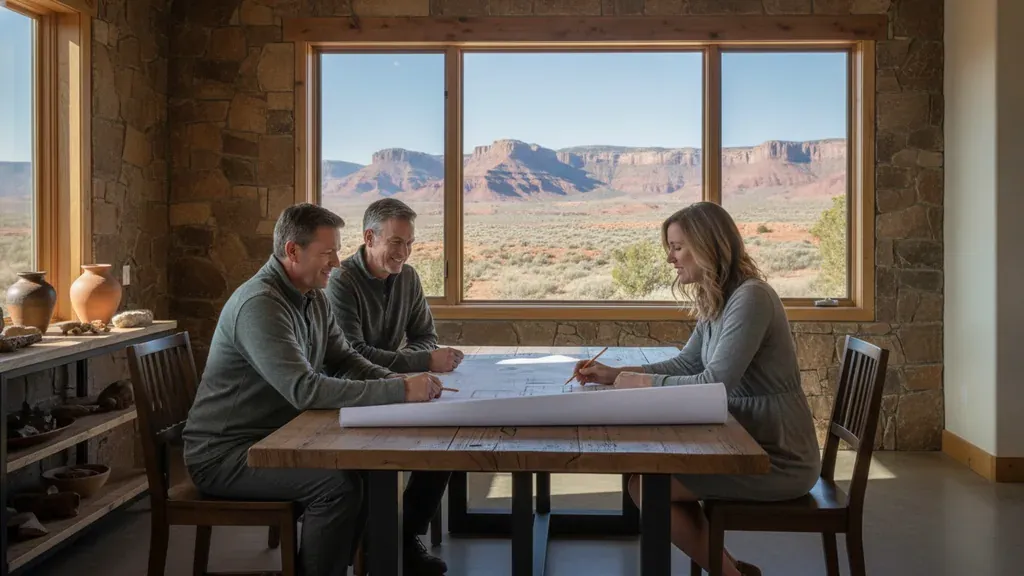
If you are considering a custom home consultation in Grand Junction, you do not need to arrive with a finished floor plan or every selection already made. The first conversation is a working session to connect your goals, lot or community options, design direction, budget range, and timing with a realistic path forward.
Ready to talk through your home ideas? Schedule a consultation with Integrity Homes.
What Happens During a Custom Home Consultation in Grand Junction?
A custom home consultation is an early planning conversation between you and the builder. You can expect to discuss how you want to live, where you may build, which design route fits your needs, and what information is needed to shape the next step.
At Integrity Homes, the conversation is designed to make the project clearer, not to pressure you into a finished decision. It gives the team a chance to understand your priorities while you learn how the builder approaches design, site conditions, communication, and construction in Western Colorado. You can also review the company’s custom home building services before the meeting to see how design, construction, and project coordination fit together.
- Your household, routines, and long-term plans
- Whether you are considering a community lot, an existing parcel, or a build-on-your-lot project
- Floor-plan ideas, room relationships, storage, and outdoor living needs
- Budget range, financing conversations, selections, and site-related variables
- Project timing, decision points, and how communication will work after the meeting
The goal is alignment. A productive consultation should leave you with a better understanding of what is known, what still needs to be evaluated, and which decisions are worth making first.
What Should You Bring to the Meeting?
The most helpful preparation is a short list of priorities rather than a polished design package. Bring the ideas that will help the builder understand your lifestyle and the outcomes you want from the home.
You can prepare by gathering:
- A wish list: Note the rooms, features, storage, garage use, and outdoor spaces that matter most.
- Examples of your style: Save a few photos that show the light, materials, proportions, or feeling you prefer.
- Household details: Consider who will use the home, how often you entertain, and whether your needs may change.
- Lot information: If you own land, bring the address, survey, listing information, utility details, or any site documents you have.
- A working budget: A range is more useful than a single number because design, selections, and site conditions can affect the project.
- Timing priorities: Share a desired move date, land-purchase timeline, financing milestone, or other important deadline.
You do not need to know every answer. It is more useful to be open about your priorities and questions than to choose finishes before the layout and lot strategy are clear.
How should you describe the way you want to live?
Start with activities, not architectural vocabulary. Explain where the family gathers, how meals are prepared, whether you work from home, how guests stay, and what you want to see when you arrive home. Those details help a design team evaluate flow and function before style becomes the only focus.
How Do Plans and Layouts Enter the Conversation?
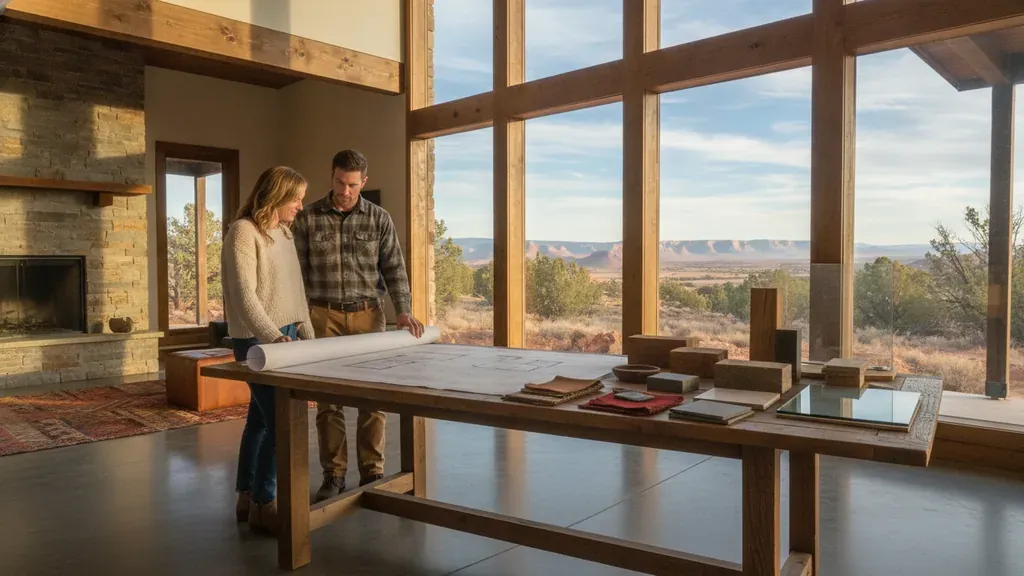
Plans and layouts give the consultation something concrete to explore, but they are starting points rather than a test. Integrity Homes can discuss a semi-custom floor plan, a more individualized design direction, or ways to adapt a plan to your household and site.
A useful layout conversation looks beyond the number of bedrooms. It considers how spaces connect and how the home will function on an ordinary Tuesday as well as during holidays or changing seasons.
| Design topic | Questions to explore | Why it matters |
|---|---|---|
| Daily flow | Where do people enter, drop belongings, gather, and move between rooms? | A well-planned route can make the home easier to use and maintain. |
| Kitchen and living areas | How do cooking, conversation, views, and entertaining fit together? | The relationship between spaces shapes both comfort and connection. |
| Private spaces | Which rooms need quiet, separation, flexible use, or future adaptability? | Thoughtful placement supports rest, work, guests, and changing needs. |
| Storage and utility | Where will outdoor gear, tools, household supplies, and seasonal items go? | Storage decisions can protect usable living space and reduce daily friction. |
If you are still deciding how a home should be arranged, the Integrity Homes Home Design Quiz can help you organize your preferences before or after the consultation. It is a useful prompt for thinking through style, function, and the kind of home experience you want.
Use the Home Design Quiz to organize your ideas before you meet.
Keep the design conversation grounded in your priorities. A plan can be adjusted, but the best revisions begin with a clear understanding of the life the home needs to support.
How Does a Grand Junction Lot Change the Conversation?
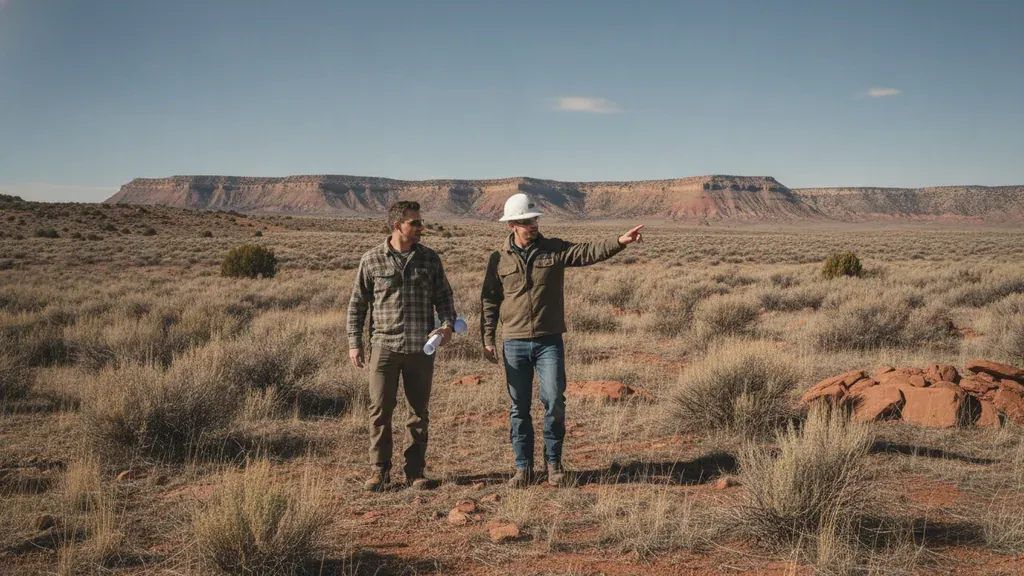
Location affects more than the view from a future window. During a consultation, a builder may connect the home design to access, utilities, drainage, grade, orientation, driveway placement, and the practical work required to prepare the site.
For a community lot, the discussion may focus on available plans, homesite characteristics, design choices, and how the home fits the neighborhood. For a privately owned parcel, the conversation can include a more detailed feasibility review and the information needed to evaluate the land. If you are exploring your own parcel, review Integrity Homes’ build-on-your-lot program so you can bring more focused questions about the property.
Integrity Homes has in-house sitework and excavation capability through High Grade Concrete and Excavation. That connection gives homeowners a clearer way to discuss lot preparation, foundations, grading, drainage, and other site conditions early in the process. The exact scope still depends on the property and the home plan, which is why a site conversation matters before assumptions become commitments.
For either path, ask what can be confirmed now and what requires a survey, utility information, engineering input, or a site visit. That distinction keeps early planning useful while leaving room for the property-specific details that emerge later. It also helps you compare a community opportunity with a private lot based on the full project path, rather than on the home plan alone.
What Will You Learn About Budget and Timing?
A consultation should help you understand which factors shape a working budget and schedule. It is an opportunity to separate the cost of the home itself from lot-specific work, selections, financing requirements, and decisions that may affect the sequence.
In the Grand Junction and Western Slope market, construction cost depends on design, materials, site conditions, and scope, so any early number is a planning estimate, not a fixed quote for your project. Our guide to the cost to build a custom home in Grand Junction explains what moves that number. The purpose of the consultation is to identify the variables that make a more useful conversation possible.
Ask how the builder approaches:
- Preliminary estimates and the information needed to make them more specific
- Lot preparation, utilities, foundations, drainage, and other site conditions
- Design revisions, selections, upgrades, and decisions that affect the scope
- Financing documentation and the timing of updated project information
- Construction milestones, seasonal considerations, and homeowner decision deadlines
Integrity Homes uses a structured building process and Buildertrend client portal to support project communication, selections, documents, and progress updates after the project moves forward. You can review the Integrity Homes building process before or after the meeting, then ask which phase your project would enter next. Asking about that handoff during the consultation helps you understand how information will be managed beyond the first meeting.
Have a lot, a plan, or a budget range to discuss? Contact Integrity Homes to take the next step.
What Questions Should You Ask a Custom Builder?
The best questions help you understand fit, communication, and decision-making. Use the consultation to learn how the builder will work with your goals, not simply to compare a list of features.
Consider asking:
- How do you help homeowners choose between a semi-custom plan and a fully custom direction?
- How will you evaluate my lot or help me think through a potential homesite?
- Which site conditions should we investigate before a plan or budget is finalized?
- Who will guide the design, layout, colors, finishes, and selections?
- How are revisions documented, reviewed, and incorporated into the project?
- What information should I provide to my lender or financial advisor?
- How will I receive project updates and approve selections once construction begins?
- What are the next two decisions after this consultation?
Listen for clear explanations and a willingness to connect design choices with how the home will be built. In Western Colorado, local familiarity can also help a builder ask better questions about the lot, climate, access, and the way the home should relate to its surroundings.
What Happens After the Consultation?
After the meeting, the next step should reflect what you discussed. That may mean reviewing a plan, gathering lot information, looking at community options, clarifying a preliminary budget, or scheduling a more focused design conversation.
Integrity Homes’ process can move from initial planning into plan and lot evaluation, budget alignment, agreement, design development, and construction. A consultation does not require you to make every decision at once. It helps establish the order in which decisions should be made so the project can advance with better information.
Before you leave or follow up, confirm:
- Which documents or property details the builder needs
- Whether a plan, lot, or community option should be reviewed next
- What budget assumptions need more detail
- Who will contact whom and by when
- Which questions should be answered before design work advances
That clarity is valuable even if you are still comparing options. A good consultation should give you a more informed path, a realistic set of next steps, and a better sense of whether the builder’s communication style fits your expectations.
Custom Home Consultation FAQ
These common questions can help Grand Junction homeowners prepare for a productive first conversation with a custom or semi-custom builder.
Do I need to own land before scheduling a consultation?
No. You can discuss a community opportunity, a possible homesite, or a build-on-your-lot idea before you own land. If you already have a parcel, bring its address and any documents you have so the builder can identify the next information needed for a site conversation.
Should I bring a floor plan to a custom home consultation?
A floor plan can be helpful, but it is not required. Bring sketches, photos, room priorities, or a list of activities instead. The builder can help connect those ideas to a semi-custom plan or a more individualized design direction.
Will I receive a final price at the first meeting?
Usually, the first meeting is for scope and feasibility rather than a final price. A more useful estimate depends on the plan, selections, lot conditions, utilities, and project scope. Ask what information the builder needs to make the next budget conversation more specific.
How long does a custom home consultation take?
The length depends on how much you need to cover and whether you are discussing an existing lot, a community plan, or an early design concept. Set aside enough time to explain your priorities and ask questions without rushing the conversation.
What makes a Grand Junction consultation different from a general builder meeting?
A locally grounded conversation can address the realities of Mesa County and Western Colorado, including the relationship between design, lot conditions, access, sitework, and the surrounding landscape. It should also explain how the builder’s process supports decisions from the first concept through construction.
Choosing a builder begins with a conversation that makes your goals easier to explain and your next steps easier to see. If you are exploring a custom or semi-custom home in Grand Junction, Integrity Homes can help you connect the design, lot, budget, and building path.
Start the conversation with Integrity Homes in Grand Junction and Western Colorado.